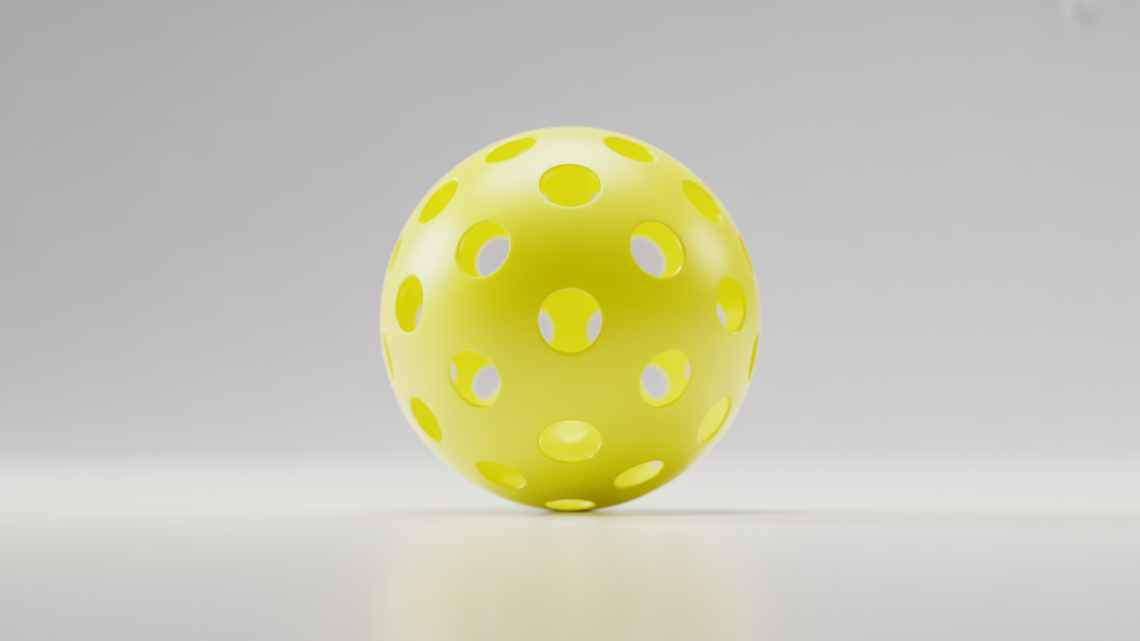
Why Are Pickleballs With 40 Holes Such a Big Deal for Outdoor Play?
March 27, 2026If you play on outdoor courts, you have probably heard people talk about 26-hole balls and 40-hole balls. So what exactly makes pickleballs 40 holes so popular, and should you switch?
This simple guide breaks it all down in easy language. You will see how hole count affects wind resistance, bounce, and how long your ball lasts. You will also get a clear buying checklist so you can pick the best outdoor pickleball balls for your games and local conditions.
The focus here is on outdoor courts, where wind, sun, and rough surfaces really test every ball. With the right 40-hole ball, you can enjoy a more consistent game and better value for your money.
26 Holes vs 40 Holes: What Really Changes?
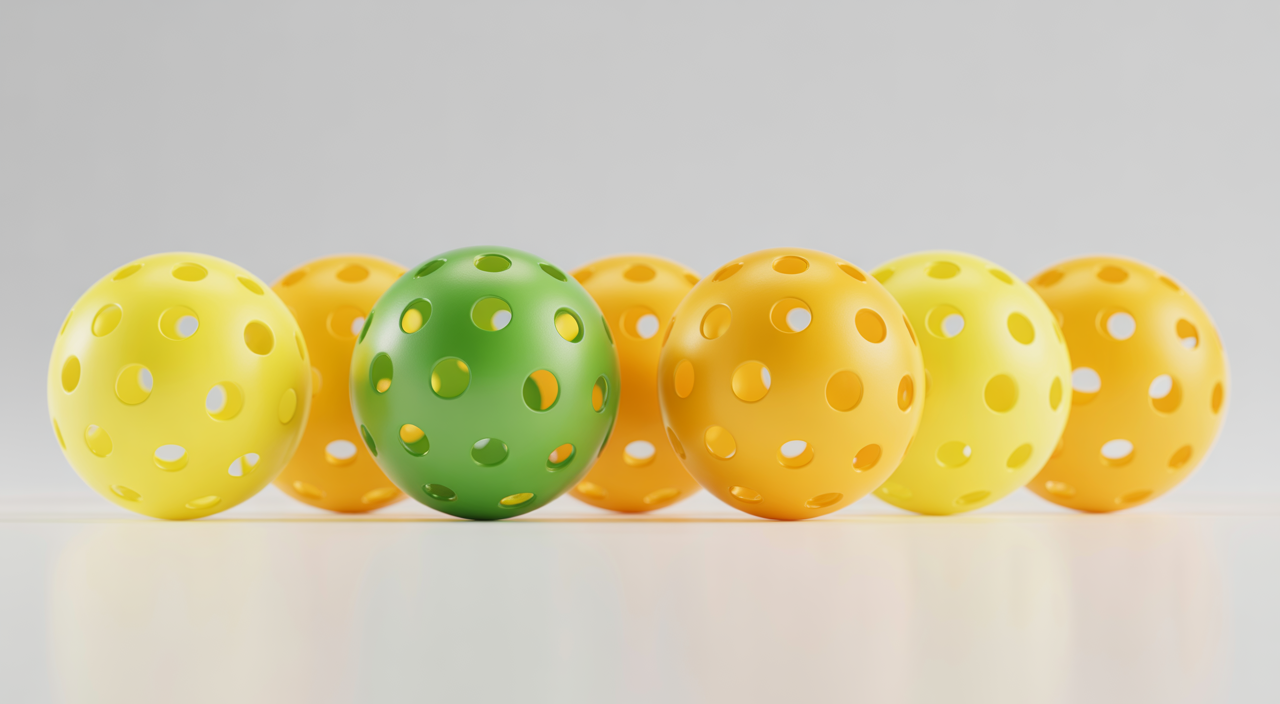
Pickleball balls are not all the same. The number of holes changes how the ball moves through the air and how it feels off the paddle. For outdoor games, 40-hole designs are now the standard in many clubs and tournaments.
Here is a simple way to look at it:
- 26-hole balls are usually softer and used more for indoor play.
- 40-hole balls are usually harder and built for outdoor courts.
More holes mean each hole is smaller. Smaller holes let less air “catch” inside the ball. This usually gives you a more direct flight path, which is very helpful when the wind picks up during a match.
Why 40 Holes Help in Windy Conditions
Outdoor courts are fun, but wind can turn a simple rally into a guessing game. This is where the 40-hole design shines. With more, smaller holes, the ball cuts through the air more cleanly.
In practical terms, you get:
- Straighter shots on drives and serves, even when there is a side breeze.
- More predictable lobs, so your opponent cannot blame the wind for every miss.
- Better control at the net, especially for dinks and third-shot drops.
For Indian players who often face strong winds on open rooftop or community courts, this extra stability can make every session more enjoyable and more like real match practice.
Key Benefits of Outdoor 40-Hole Pickleballs
When you buy outdoor pickleball balls with 40 holes, you are usually getting a ball designed for performance and durability. Here are the benefits that matter most to regular players and club organisers.
- Harder material for outdoor surfaces, so the ball keeps its shape even on rough concrete or stone-finish courts.
- Consistent bounce, which helps you build solid timing and shot technique.
- Better colour visibility, so you can track the ball clearly in bright sunlight.
- Closer to tournament standards, which is ideal if you plan to join ranked events.
When you calculate the real cost per game, a quality 40-hole ball that lasts longer often works out cheaper than a cheaper ball that cracks quickly.
How Long Do 40-Hole Pickleballs Last?
Longevity depends on the brand, court surface, and how often you play. As a simple guide, many regular players report that good 40-hole balls stay “match ready” for 20 to 40 hours of active play before they feel too soft or start to lose their true bounce.
To stretch the life of your balls, try these habits:
- Rotate 3 to 6 balls in every session instead of using only one.
- Avoid kicking the ball hard against walls or fences.
- Store balls indoors, away from direct sunlight and extreme heat.
This kind of basic care is similar to how you would treat other sports gear. Simple attention extends life and gives you more value for every rupee spent.
What to Look For When Choosing 40-Hole Outdoor Balls
When you are ready to buy, it helps to check a few simple specs. You do not need a technical background to compare options effectively.
Use this easy checklist:
- Hole count: Look for outdoor pickleballs 40 holes for maximum wind stability.
- Hardness: A firmer feel is better for outdoor play and consistent bounce.
- Weight: Balls should sit within standard outdoor weight ranges, not too light or heavy.
- Colour: Bright, high-contrast colours give better visibility on sunny Indian courts.
- User feedback: Check what other players say about cracking, fading, and bounce over time.
If you run a club or housing society court, buying in bulk with these points in mind can reduce replacement frequency and keep players happier.
Practical Tips for Indian Pickleball Players
Weather and court conditions in India can be different from Western countries, so a few extra points are worth keeping in mind.
- High heat: Very hot days can soften cheaper balls quickly. A sturdy 40-hole ball handles heat better.
- Dusty courts: Dust and fine sand can reduce grip and change bounce. Clean balls occasionally with a damp cloth.
- Mixed surfaces: If your group plays on both smooth and rough courts, choose a ball that performs well across surfaces.
Just like you would plan your workout gear carefully, planning your pickleball equipment gives you smoother practice sessions and more satisfying games. If you enjoy sport-related content, you may also like this article on the benefits of online fitness training.
How Many Balls Should You Keep in Your Kit Bag?
For casual play, keeping 3 to 6 quality 40-hole balls is usually enough. This lets you replace any ball that suddenly cracks, without stopping the game.
For coaches and club managers, consider a larger batch, such as 24 or more balls. This supports drills, multi-court sessions, and tournaments without last-minute stress. It is similar to how other sports academies plan their training gear to keep sessions flowing smoothly.
FAQs About Outdoor Pickleballs 40 Holes
Q1: Are 40-hole pickleballs better than 26-hole balls for outdoor play?
A: In most outdoor conditions, yes. The extra holes are smaller, which improves wind resistance and gives you a straighter, more predictable flight. The material is normally harder too, which suits outdoor courts and helps maintain a consistent bounce during long rallies.
Q2: How often should I replace my outdoor 40-hole pickleballs?
A: Replace them when you notice cracks, a visible dent that does not pop back out, or a clear drop in bounce height. For many players, this happens after 20 to 40 hours of use, depending on surface roughness and playing style. If you play tournaments, keep a few newer balls aside just for match days.
Q3: Are 40-hole balls suitable for beginners?
A: Yes, they are ideal. Beginners benefit from consistent bounce and predictable flight, which help them build confidence quickly. Starting with a stable, outdoor-friendly ball means you focus more on footwork and strokes and less on adjusting to strange ball movement.
As you upgrade your gear step by step, you might also find value in learning how to select other fitness equipment wisely. For example, this guide on choosing strength training equipment shares helpful ways to think about quality and durability, similar to choosing the right pickleball.

Patricia Duarte was born in Sacramento, California Studied at University of San Francisco. Currently working as Author at Myfitv, Patricia Duarte helps readers learn the field of Marketing, Health, Education, Construction, Business etc hone their skills, and find their unique voice so they can stand out from the crowd.