What Are Vapour Recovery Units and How Can They Boost Returns for Indian Investors?
March 27, 2026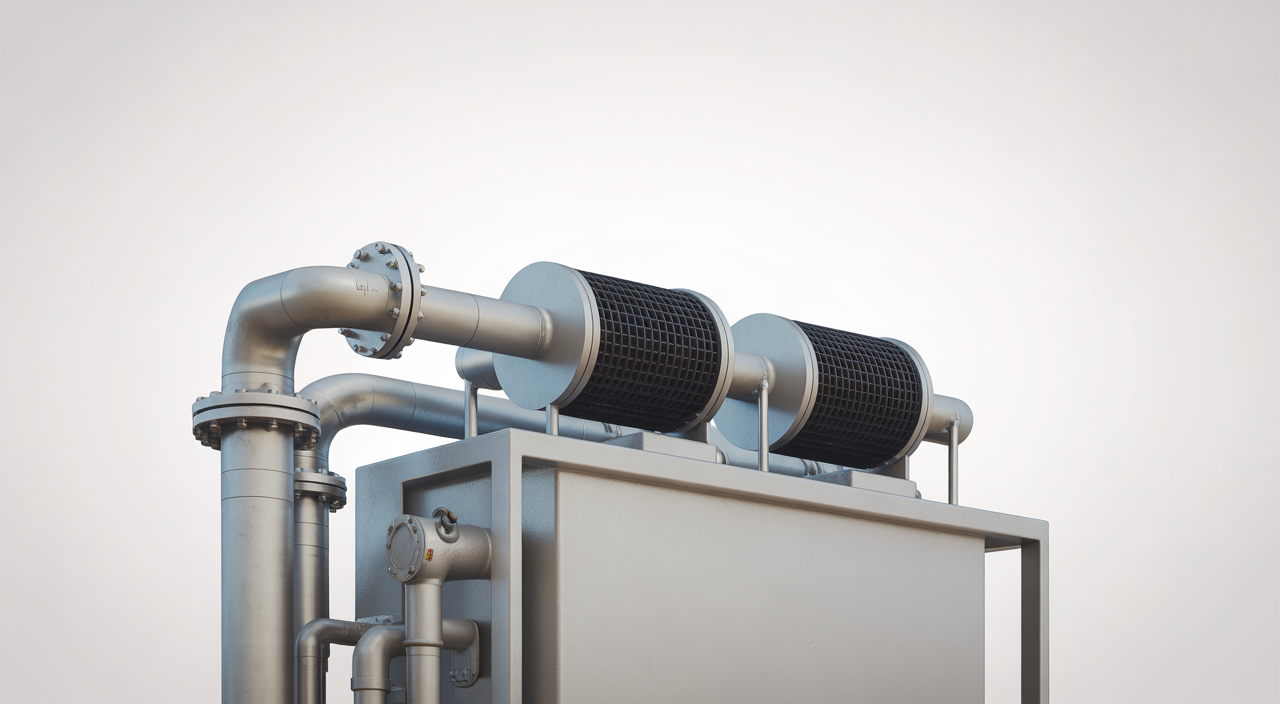
If you work with storage tanks, terminals, or fuel distribution, you have likely heard about vapour recovery units. These systems are becoming standard across refineries, depots, and chemical plants. For Indian investors and plant owners, they are not only about meeting environmental rules. They can also turn lost vapours into real revenue.
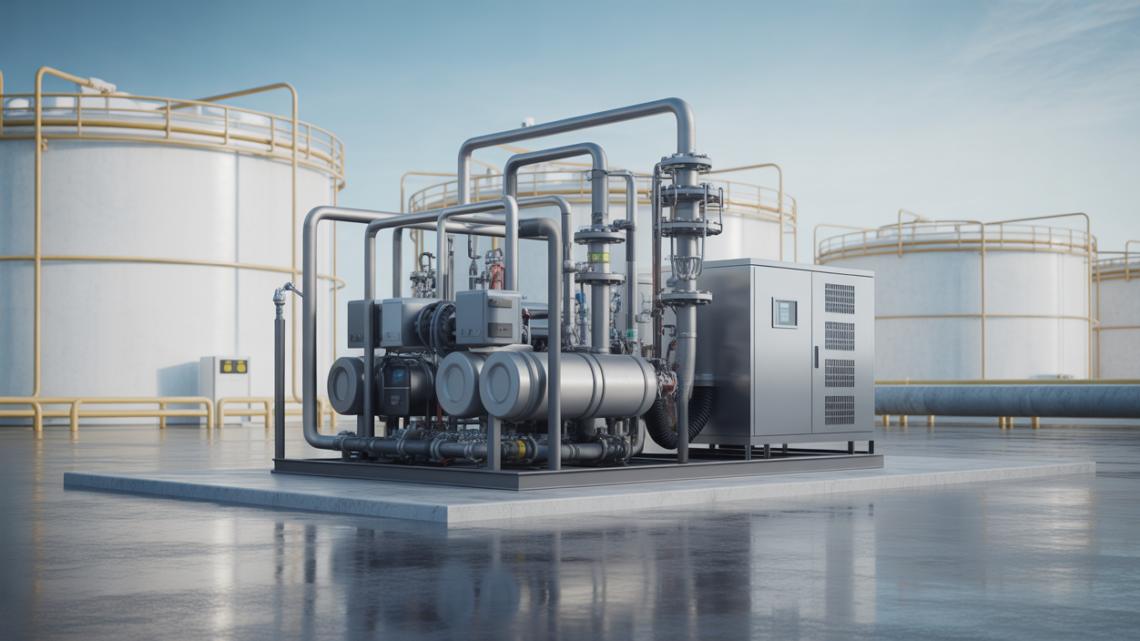
In simple terms, a vapour recovery unit (VRU) is a system that captures vapours from tanks or loading operations and converts them back into liquid product. Those vapours are usually volatile organic compounds (VOCs), which are both valuable and regulated. By installing a VRU, you control emissions and recover product that would otherwise escape into the atmosphere.
As India moves toward stricter environmental norms and cleaner operations, VRUs are quickly shifting from a “good to have” to a “must have.” Let us look at how they work, their types, and how you can select the right one for your facility.
Why Vapour Recovery Units Matter for Your Business
Every litre of petrol, diesel, or solvent that evaporates is money lost. When you add thousands of loading cycles a year, the value becomes significant. VRUs capture these vapours and condense them back into saleable product. This improves yield and supports a stronger return on investment.
They also help you reduce VOC emissions, which are a major focus of global and Indian environmental regulations. Lower emissions mean smoother audits, reduced risk of penalties, and a stronger sustainability profile when you speak to banks, partners, or foreign customers.
For many terminals and refineries, a well-designed VRU can pay for itself within 12 to 24 months through product recovery and reduced losses. After that, the recovered product is almost pure profit.
How Vapour Recovery Units Work in Simple Terms
The basic workflow of most systems is similar. Vapours from tanks or loading arms are collected through a pipeline. These vapours are then treated in the VRU, where VOCs are separated from air and converted back to liquid form. Cleaned gas is released, while the recovered liquid is returned to storage.
Different technologies do this separation in different ways. The main ones are adsorption, cryogenic, membrane, and hybrid systems.
Key Types of Vapour Recovery Technologies
Adsorption Systems
Adsorption VRUs use a bed of solid material, often activated carbon, to “catch” VOC molecules from the gas stream. The vapour passes through the bed, VOCs stick to the surface, and clean air exits.
After a while, the bed becomes saturated. A regeneration step then strips the VOCs off the carbon using vacuum or a small flow of gas. The concentrated vapour is then condensed into liquid product.
These systems are popular because they are robust, efficient, and work well for a wide range of hydrocarbons in terminal vapour recovery applications.
Cryogenic Systems
Cryogenic VRUs cool the vapour stream to very low temperatures. At such temperatures, VOCs condense into liquid while lighter gases stay in the vapour phase. The condensed liquid is collected and returned as product.
These systems are ideal when you need very high recovery efficiency or when dealing with high-value products. They can, however, have higher power consumption due to refrigeration requirements.
Membrane Separation Systems
Membrane VRUs use special filters that allow some molecules to pass through faster than others. The membrane separates VOC-rich vapours from cleaner gas based on how easily each component can pass through its surface.
These systems are compact and can be skid-mounted for easy installation. They are attractive where space is tight and where medium to high recovery is needed without very low temperatures.
Hybrid Technologies
Hybrid VRUs combine two or more methods, such as adsorption plus membranes or cryogenic plus condensation. The goal is to get high recovery, lower power use, and flexible operation even when feed composition changes.
For complex sites with varying products or where maximum product recovery is critical, a hybrid solution often provides the best balance of cost and performance.
How to Choose the Right VRU: A Practical Guide for Indian Investors
Choosing a VRU calls for a structured approach. Start by defining your vapour profile. What products do you store or load? What is the typical vapour composition and pressure? Gather this data from existing measurements or through a short study.
Next, estimate throughput. How many cubic meters per hour of vapour will the unit handle at peak and average conditions? This will determine the size and number of skids you need.
You should also clarify your goals. Is your top priority environmental compliance, maximum product recovery, or minimum power use? Your answer will influence whether adsorption, cryogenic, or hybrid units fit best.
Finally, compare vendors on total life cycle cost, not just purchase price. Ask about energy consumption, spare parts availability, local service teams, and remote monitoring options. Just as you would for other capital projects, think of the 10 to 15 year cost curve.
Real-World Benefits: From Emissions Control to Better Margins
Well-designed vapour recovery systems have delivered strong results in terminals and refineries worldwide. Many sites report over 95 percent VOC recovery, translating into millions of litres of additional saleable product over the life of the unit.
Investors also see softer but important benefits. Cleaner operations can support better terms with lenders, especially green or sustainability-linked finance. They also show customers and regulators that you take environmental responsibility seriously.
For more ideas on how industrial upgrades improve long-term value, you can explore this guide on the benefits of industrial waste recycling, which follows similar value-creation logic.
Best Practices for Operation and Maintenance
To keep VRUs reliable, follow a clear maintenance routine. Schedule regular checks of pressure, temperature, and flow readings. Track key performance indicators like recovery rate, power use per unit of vapour, and emissions at the outlet.
Plan timely replacement of consumables such as adsorbent material, seals, and filters. Many operators now use remote monitoring and predictive maintenance tools to identify issues early and avoid unplanned downtime.
Training your operations team is equally important. Clear operating procedures and simple checklists help ensure safe, consistent performance in all seasons and across different product grades.
Regulations, Incentives, and the Indian Context
Globally, regulators focus strongly on VOC controls in fuel storage and distribution. This trend is also visible in India, where air quality and environmental compliance are gaining more attention each year.
By acting early and adopting proven vapour emission control systems, Indian facilities can stay ahead of potential future limits. In some cases, improved emissions performance can also support participation in carbon or sustainability programs, which may offer financial credits or reputational benefits.
For investors keen on long-term asset quality, this is similar to other forward-looking upgrades, such as better insulation, efficient motors, or smart monitoring of utilities. These choices can support higher valuations and smoother exits in the future.
Frequently Asked Questions about Vapour Recovery Units
Q1: How quickly can a VRU pay for itself?
The payback period depends on product price, vapour volume, and recovery efficiency. Many facilities see payback in 1 to 3 years through recovered product and reduced losses. High-throughput sites with premium fuels or chemicals often recover their investment faster.
Q2: Can I retrofit a VRU into an existing tank farm or terminal?
Yes, most systems are designed to be installed on existing sites. Skid-mounted VRUs make retrofits easier by reducing on-site construction. You will need a site survey to plan piping connections, electrical supply, and integration with existing safety systems.
Q3: What kind of maintenance do vapour recovery units need?
They need periodic inspection of valves, pumps, and instrumentation, as well as routine checks on adsorbent quality or refrigeration systems, depending on the technology. With proper planning and remote monitoring, maintenance can be scheduled to avoid any disruption to loading operations.
Q4: Are VRUs suitable only for large refineries and ports?
No, they are useful for terminals, depots, truck loading gantries, rail loading, and even some smaller chemical plants. Modular designs allow you to start with a smaller unit and expand later as throughput grows.
For more on planning capital projects and improving asset performance, you may also find this article on designing efficient industrial storage systems helpful when thinking about your overall facility layout.

Patricia Duarte was born in Sacramento, California Studied at University of San Francisco. Currently working as Author at Myfitv, Patricia Duarte helps readers learn the field of Marketing, Health, Education, Construction, Business etc hone their skills, and find their unique voice so they can stand out from the crowd.