The Impact of 3D Rendering Services on Modern Architecture and Design
February 12, 2025In today’s fast-paced world, where innovation and efficiency drive industries forward, 3D rendering services have emerged as a game-changer in the fields of architecture, design, and visual communication. By turning abstract concepts into photorealistic visuals, 3D rendering transforms how ideas are communicated, evaluated, and realized. This technological advancement allows clients, architects, and designers to collaborate more effectively, minimizing miscommunication, avoiding costly mistakes, and ensuring that final designs align with the original vision. In this article, we’ll explore how 3D rendering is reshaping architecture and design, the value it offers to businesses, and why it has become indispensable for modern creative projects.
1. Understanding the Basics of 3D Rendering
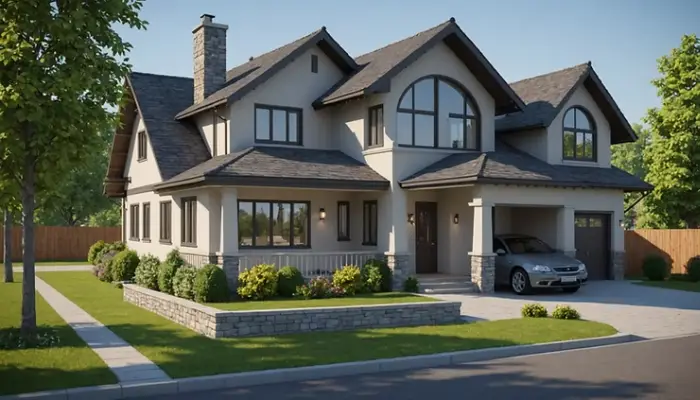
Before diving into the benefits of 3D rendering services, it’s essential to understand what 3D rendering entails. At its core, 3D rendering is the process of creating two-dimensional images or animations from a three-dimensional model. These models are designed using specialized software that simulates lighting, textures, and perspectives, resulting in photorealistic images or animations.
For architects and designers, this technology allows them to present their ideas in a way that clients can easily visualize and understand. It bridges the gap between technical blueprints and the emotional connection clients have with the spaces they’ll inhabit. By using 3D rendering, design professionals can provide their clients with a virtual tour of their envisioned projects before construction begins.
2. Enhancing Design Accuracy and Client Satisfaction
One of the biggest challenges in the design and architecture industries is miscommunication between clients and designers. Clients often struggle to understand technical drawings, and designers can misinterpret what the client truly wants. 3D rendering solves this issue by providing a highly detailed, visual representation of the final product.
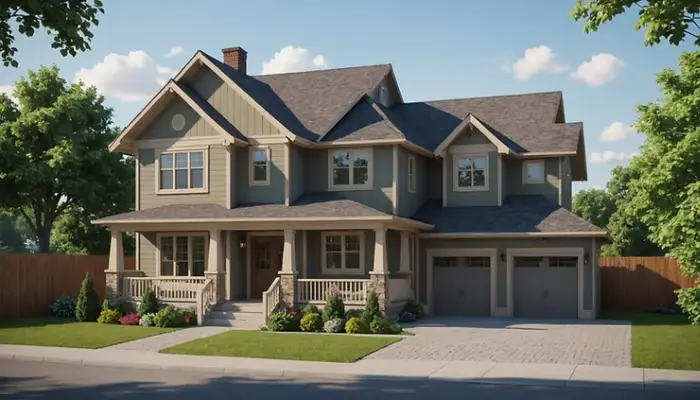
With 3D rendered images, clients can see the space or product as it would appear in reality. This level of realism helps eliminate doubts, misinterpretations, and confusion. Furthermore, clients can request modifications or adjustments in real-time, making the entire process more collaborative and less prone to delays or costly mistakes.
The result is not only a more accurate design but also a higher level of client satisfaction. Clients feel more involved in the design process, knowing that their feedback is valued and integrated at every step. This collaborative approach is central to the growing popularity of 3D rendering services in architecture and design.
3. Streamlining the Design Process with 3D Rendering
The traditional design process often involves several rounds of revisions based on client feedback. These revisions can take significant time and resources, especially when they require physical models or mock-ups. With 3D rendering, however, designers can quickly generate multiple design variations and visualizations, allowing clients to make more informed decisions with less effort.
For example, instead of waiting for a new physical model to be built after a client request, designers can use 3D rendering software to instantly modify the design and provide an updated visualization. This efficiency dramatically shortens the design cycle, saving both time and money. Additionally, it ensures that every decision made is supported by a clear, visual understanding of how it will affect the final result.
This streamlined approach also benefits project management, as it helps designers and architects foresee potential issues early on, reducing the risk of unexpected delays or budget overruns during construction.
4. The Role of 3D Rendering in Sustainable Architecture
Sustainability is an essential consideration in modern architecture, and 3D rendering plays a pivotal role in achieving more sustainable designs. Through advanced rendering techniques, architects and designers can simulate how natural light, shadows, and energy use will affect a building over time. This capability enables them to optimize designs for energy efficiency, ensuring that buildings not only look aesthetically pleasing but also minimize their environmental impact.
For example, by using 3D rendering to visualize the building’s exposure to sunlight, designers can strategically place windows and other elements to reduce the need for artificial lighting. Similarly, 3D rendering can help assess the building’s insulation and ventilation, leading to energy-efficient design solutions that align with sustainability goals.
Additionally, 3D rendering helps architects present their sustainability strategies to clients and stakeholders in a more tangible, understandable way. By showcasing the building’s energy-efficient features through visual simulations, clients can clearly see how the design will contribute to environmental sustainability.
5. Expanding Creative Possibilities with 3D Rendering
Beyond the practical benefits, 3D rendering offers a world of creative possibilities for designers and architects. With the ability to visualize spaces in full detail and from any angle, 3D rendering opens up new avenues for creativity that were once limited by traditional design methods.
Designers can experiment with materials, lighting, and textures in ways that would be impractical or impossible in real life. They can test different color schemes, furniture placements, and architectural styles without committing to any physical alterations. This freedom encourages innovation and allows designers to push the boundaries of their creativity while still ensuring the final result aligns with the client’s vision.
Moreover, the integration of advanced technologies like virtual reality (VR) and augmented reality (AR) with 3D rendering is further expanding creative possibilities. With VR and AR, clients can immerse themselves in fully interactive 3D environments, offering a more engaging and dynamic experience that traditional methods simply can’t replicate.
Conclusion
3D rendering services have revolutionized the architecture and design industries, offering a range of benefits from improving design accuracy and client satisfaction to streamlining workflows and fostering creativity. By using 3D rendering, designers and architects can bring their ideas to life in ways that are both cost-effective and efficient. As technology continues to evolve, the capabilities of 3D rendering will only expand, offering even more opportunities for innovation in design, architecture, and visual communication.
The collaborative, client-centered approach enabled by 3D rendering ensures that designs are not only visually stunning but also aligned with the goals and values of clients. As more businesses embrace these cutting-edge tools, we can expect to see a shift towards more sustainable, efficient, and creative design practices in the years to come.
By leveraging the power of 3D rendering, companies are helping shape the future of design, making complex ideas accessible, understandable, and visually compelling to clients and audiences around the world. Whether you’re an architect, designer, or client, the impact of 3D rendering on your projects will be undeniable.

Patricia Duarte was born in Sacramento, California Studied at University of San Francisco. Currently working as Author at Myfitv, Patricia Duarte helps readers learn the field of Marketing, Health, Education, Construction, Business etc hone their skills, and find their unique voice so they can stand out from the crowd.