How An Automated ELISA Plate Washer Can Save Time And Reduce Errors?
February 14, 2025Enzyme-linked immunosorbent Assay (ELISA) is a widely used laboratory technique for detecting and quantifying biological molecules such as proteins, antibodies, and antigens. It is commonly used in medical diagnostics, pharmaceutical research, food safety testing, and other scientific applications. However, the process of washing microplates in ELISA assays is critical for ensuring accuracy, reducing background noise, and preventing cross-contamination. Traditionally, manual washing methods have been time-consuming, inconsistent, and prone to human error. This is where an ELISA plate washer plays a vital role in automating the process, improving efficiency, and enhancing the reliability of results.
The Importance Of Washing In ELISA Assays
Washing is a crucial step in ELISA assays because it removes unbound reagents and reduces background signal, which could otherwise lead to inaccurate results. Insufficient washing can cause high background noise, false positives, and cross-contamination between wells. On the other hand, excessive washing can strip bound antibodies or antigens, leading to false negatives. A well-calibrated ELISA plate washer ensures optimal washing conditions, improving the accuracy and reproducibility of test results.
Challenges of Manual Washing
Before automated ELISA plate washers were introduced, many laboratories relied on manual washing techniques, such as hand pipetting or vacuum aspiration. These methods had several drawbacks:
- Inconsistency – Manual washing is highly operator-dependent, leading to variability in results.
- Time-consuming – Washing multiple plates manually requires significant time and effort, slowing down productivity.
- Risk of contamination – Inconsistent washing can result in cross-contamination between wells, affecting test accuracy.
- Increased human error – Manual techniques are prone to pipetting errors, incomplete washing, and inconsistent aspiration.
Automating the washing process with an ELISA plate washer eliminates these challenges, ensuring precise and repeatable washing for high-quality results.
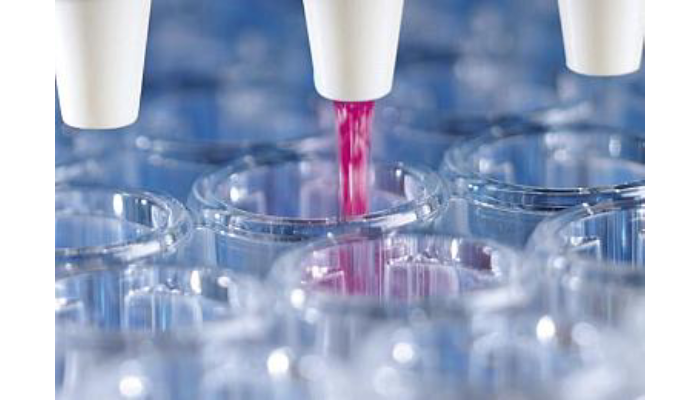
How An ELISA Plate Washer Saves Time?
Faster Processing of ELISA Assays
One of the biggest advantages of using an ELISA plate washer is its ability to significantly speed up the washing process. Instead of manually aspirating and dispensing wash buffers into each well, an automated washer can process entire microplates within seconds. This rapid turnaround increases laboratory throughput, allowing scientists to analyze more samples in less time.
Multi-Plate Capability
Many modern ELISA plate washers are equipped with multi-plate capabilities, enabling the simultaneous processing of multiple microplates. This feature is particularly useful in high-throughput laboratories that handle large sample volumes. By reducing the time spent on washing, researchers can focus on data analysis and interpretation.
Reduced Hands-On Time for Laboratory Technicians
Manual washing requires constant attention from lab technicians, but an ELISA plate washer automates the entire process, freeing up valuable time for other tasks. This improves workflow efficiency and reduces labor costs associated with repetitive tasks.
How An ELISA Plate Washer Reduces Errors?
Precision and Consistency
Automated ELISA plate washers are designed to deliver precise wash cycles, ensuring uniform distribution of wash buffer across all wells. This eliminates variability caused by human handling and ensures reproducible results across multiple assays.
Minimization of Cross-Contamination
Cross-contamination is a common concern in ELISA assays, particularly when handling sensitive biological samples. An ELISA plate washer is equipped with optimized aspiration and dispensing mechanisms that prevent residual fluid from carrying over between wells. This reduces the risk of contamination and improves data integrity.
Elimination of Residual Wash Buffer
Incomplete removal of wash buffer can interfere with subsequent assay steps, leading to inaccurate readings. Advanced ELISA plate washers feature adjustable aspiration settings that ensure complete removal of residual liquid, preventing dilution errors and improving assay sensitivity.
Programmable Wash Cycles
Different ELISA assays require specific washing protocols. An ELISA plate washer allows users to program and customize wash cycles, ensuring that each assay receives the optimal washing conditions. This flexibility eliminates human error in protocol execution and improves assay performance.
Key Features Of An ELISA Plate Washer
When selecting an ELISA plate washer, laboratories should consider the following key features:
- Multiple Wash Programs – Ability to store and customize multiple wash protocols for different assays.
- Adjustable Volume Control – Precise control over dispensing and aspiration volumes for optimal washing.
- Automated Waste Disposal – Built-in waste management system to handle used wash buffer efficiently.
- Compatibility with Various Plate Formats – Supports different well plate sizes (e.g., 96-well, 384-well) for diverse applications.
- User-Friendly Interface – Easy-to-use controls for programming and monitoring washing cycles.
Applications Of ELISA Plate Washers
Automated ELISA plate washers are widely used across various industries, including:
- Medical Diagnostics – Ensuring accurate detection of diseases such as HIV, hepatitis, and autoimmune disorders.
- Pharmaceutical Research – Enhancing drug discovery and biomarker analysis.
- Food Safety Testing – Detecting foodborne pathogens and allergens.
- Environmental Monitoring – Measuring contaminants in water and soil samples.
Conclusion
An ELISA plate washer is a valuable asset for laboratories seeking to improve efficiency, accuracy, and reproducibility in ELISA assays. Automating the washing process saves time, reduces human errors, and ensures precise assay performance. Whether in medical diagnostics, pharmaceutical research, or food safety testing, an ELISA plate washer enhances laboratory workflow and delivers high-quality results. Investing in an automated ELISA plate washer is a step toward better laboratory efficiency, higher accuracy, and improved overall productivity.

Meet Randy Rose, a prolific writer based in the vibrant city of Seattle, United States. With a passion for business and technology, Randy combines expertise with a flair for captivating storytelling. As a seasoned wordsmith, Randy navigates the intricate realms of commerce and innovation, weaving insightful narratives that captivate and inform readers. Welcome to Randy’s world, where words transcend boundaries and knowledge meets creativity.