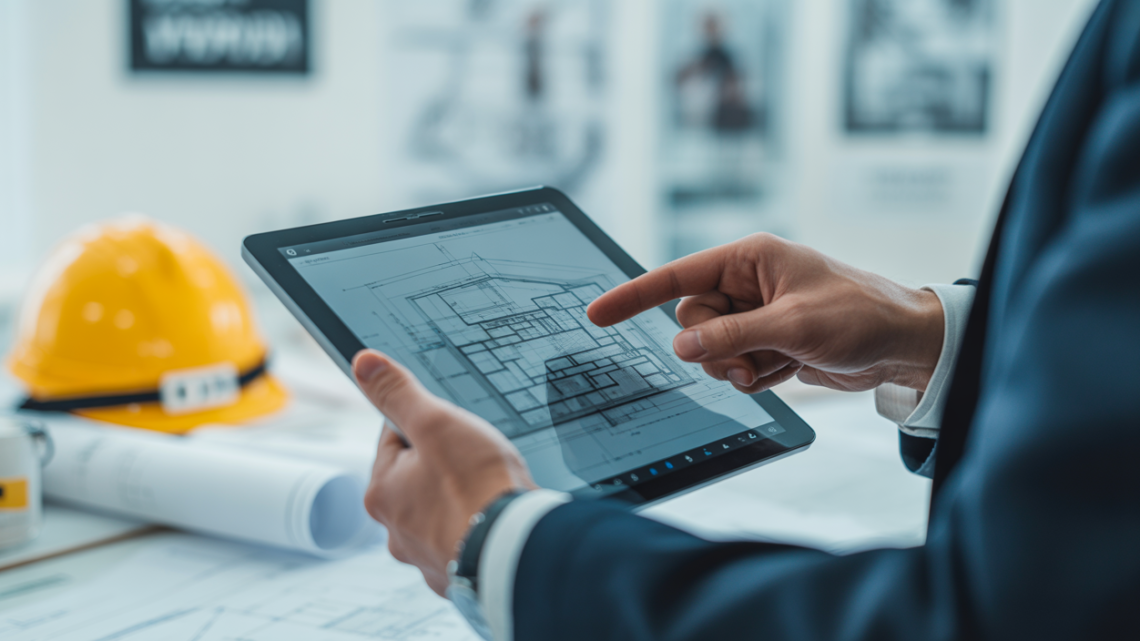
Mastering Construction Planning: Essential Workflow Tools for Project Success
February 2, 2026Are your construction projects often hit by unexpected delays or budget overruns? Do you find communication breakdowns creating chaos on the job site? These are common challenges in the dynamic world of construction. However, modern solutions can help turn these problems into well-managed successes.The secret often lies in robust planning and streamlined processes. Modern digital systems, known as construction planning workflow tools, are changing how projects are managed. They bring efficiency and clarity to every stage of a build. They help teams work together better and keep projects on track.This article will explore what these powerful tools are. We’ll look at their benefits and how you can choose the best ones for your needs. Get ready to build smarter, not harder.

Why Smart Planning is No Longer Optional: The Digital Imperative
The construction industry today is more complex than ever. Projects are bigger. Regulations are stricter. There’s a constant need to manage costs and deliver on time. Relying on old methods, like paper plans and endless phone calls, just doesn’t cut it anymore.
The Evolving Landscape of Construction
Modern projects involve many teams. Architects, engineers, contractors, and suppliers all need to work together. They often work from different locations. This complexity makes good coordination vital. It also means more data to manage. Manual processes struggle to keep up with this information overload. They can lead to errors and miscommunications.
Key Benefits of Digital Construction Planning
Embracing digital tools for planning brings many advantages. It helps overcome the challenges of modern construction. These benefits impact every part of your project lifecycle, from start to finish.
- Enhanced Efficiency & Productivity: Tasks get assigned and tracked easily. Teams know what to do and when. This reduces wasted time and speeds up work.
- Improved Cost Control & Budget Adherence: Tools help you track spending in real-time. You can compare actual costs to your budget. This helps with managing resources and avoiding costly surprises.
- Superior Communication & Collaboration: Everyone works from the same, up-to-date information. Questions are answered quickly. This boosts team morale and reduces conflicts.
- Better Risk Management & Decision-Making: Tools can highlight potential problems early. You can then make informed decisions to prevent delays or extra costs.
- Higher Project Quality & Client Satisfaction: When projects are well-planned and managed, the final output is better. Happy clients are more likely to return for future work.
Decoding Construction Planning Workflow Tools: What Are They?
You might hear many terms like “construction software” or “project management apps.” Construction planning workflow tools are more than just a single program. They are integrated systems that guide your project through every step. They create a smooth, connected flow of work and information.
Beyond Basic Software: A Holistic Approach to Workflow
These tools help manage the entire “workflow” of a construction project. A workflow is a series of steps and tasks needed to complete a project. From the first design idea to the final handover, these tools connect all the dots. They ensure information flows seamlessly between different teams and stages. This means everyone is always on the same page.
The Core Components of an Integrated Workflow
An effective workflow system typically includes tools that handle various key functions. They link together to create a full picture. This integrated approach ensures that changes in one area automatically update others. This prevents costly errors and rework.
Essential Categories of Construction Planning Workflow Tools
Many types of tools exist. Each helps with a specific part of the construction journey. They can be used alone or, better yet, together for a complete solution.
1. Project Management Software
These are the central hubs for your projects. They help you break down big projects into smaller tasks. You can assign these tasks to team members. They also track progress and deadlines. Features often include Gantt charts for visual timelines and Kanban boards for task flow. They are crucial for overseeing the entire construction project management process.
2. Scheduling & Timelining Tools
Keeping a project on schedule is vital. These tools help create detailed timelines. They show the critical path the sequence of tasks that must be completed on time for the project to finish as planned. They also help manage resources, like equipment and labor, to prevent bottlenecks. Good scheduling ensures smooth progress, much like understanding the steps for safe site work ensures a smooth excavation.
3. Collaboration & Communication Platforms
Clear communication prevents many problems. These platforms provide a central place for all project communication. Teams can share documents, send messages, and hold virtual meetings. Everyone has access to the latest plans and updates. This ensures all stakeholders are aligned.
4. Budgeting & Cost Control Software
Staying within budget is a top priority. These tools help create accurate cost estimates. They track all expenses as they happen. You can easily see if you are over or under budget at any point. Many can also integrate with accounting systems for seamless financial management.
5. Building Information Modeling (BIM) Tools
BIM goes beyond traditional 2D drawings. It creates a 3D model of your building. This model contains rich data about every element. You can detect clashes between different systems (like plumbing and electrical) before construction even starts. BIM helps with better design, planning, and quantity take-offs.
6. Document Management & Field Reporting Apps
Construction projects generate tons of paperwork. These tools offer secure, cloud-based storage for all documents. This includes contracts, drawings, permits, and reports. Field reporting apps allow site teams to send daily logs, inspection reports, and photos directly from their mobile devices. This keeps everyone updated in real-time.
How to Choose the Right Construction Planning Workflow Tools for Your Team
With so many options, picking the right tools can feel overwhelming. Here’s a simple framework to guide your decision.
A Step-by-Step Selection Framework
- Assess Your Current Pain Points & Needs: What problems are you trying to solve? Are delays caused by poor scheduling or communication? Understanding your specific challenges helps narrow down options.
- Define Your Budget & ROI Goals: How much can you invest? What return do you expect? Think about time saved, errors reduced, and overall efficiency gains.
- Evaluate Key Features: Make a list of “must-have” features and “nice-to-have” ones. Does the software offer real-time tracking? Can it integrate with your existing systems?
- Consider Scalability & Integration Capabilities: Can the tool grow with your business? Can it connect with other software you use or plan to use? An integrated system is more powerful than isolated tools.
- Prioritize User-Friendliness & Support: Complex tools won’t get used. Look for something easy for your team to learn. Good customer support is also crucial for troubleshooting.
Implementation Best Practices
Once you choose a tool, proper implementation is key. Start with a pilot program on a smaller project. This helps your team learn without high pressure. Provide thorough training. Be ready to adapt your workflows as needed. Change management is crucial for successful technology adoption.
The Future of Construction Planning: Trends to Watch
The world of construction technology is always evolving. New innovations promise even greater efficiency and insight.
AI and Machine Learning in Planning
Artificial intelligence (AI) is already helping. It can analyze past project data to predict risks. It can suggest optimized schedules. AI-powered tools might even automate routine planning tasks, freeing up your team for more complex work.
Digital Twins & Advanced Simulations
A “digital twin” is a virtual copy of your physical building. It’s updated in real-time during construction. This allows for testing scenarios, identifying problems, and optimizing performance before anything is built. It’s like having a crystal ball for your project.
Enhanced Automation for Workflows
Many repetitive tasks can be automated. This includes things like generating reports or sending notifications. Automation saves time and reduces human error. It allows project managers to focus on strategic decisions rather than administrative tasks.
Connecting Planning to Project Success: A Broader Ecosystem
Excellent planning doesn’t just make a project run smoother. It also creates a higher quality, more valuable asset.
From Efficient Workflows to Market-Ready Projects
When you use advanced planning tools, your projects are more likely to finish on time and within budget. This builds a strong reputation for your company. Well-executed projects are more attractive to investors, buyers, and tenants. They stand out in the market. The care put into planning and execution directly impacts the project’s long-term value and success, much like consistent effort improves property management and maintenance.
Where Your Well-Planned Projects Can Thrive
Successful projects speak for themselves. They showcase your ability to deliver quality and efficiency. This leads to more opportunities and stronger relationships within the industry.
Conclusion: Build Smarter, Not Harder
Adopting modern construction planning workflow tools is no longer a luxury. It’s a necessity for any construction business looking to thrive. These tools offer a clear path to greater efficiency, better cost control, and superior project outcomes. By investing in these solutions, you’re not just buying software. You’re investing in the future success and stability of your construction ventures.Evaluate your current processes today. Explore how these powerful tools can transform your projects. Start building smarter and achieve excellence on every job.
FAQs About Construction Planning Workflow Tools
Q1: Are these tools only for large construction companies?
No, not at all. While large companies benefit greatly, many construction planning workflow tools are scalable. This means they can be adapted for businesses of all sizes, including small and medium contractors. There are options designed for various project scales and budgets. Even a small team can see significant improvements in efficiency and organization.
Q2: How difficult is it to integrate these new tools with existing systems?
Integration difficulty varies depending on the tools you choose and your existing systems. Many modern tools are designed with integration in mind. They offer “APIs” (Application Programming Interfaces) that allow them to connect with other software, like accounting programs or older project management systems. It’s important to ask about integration capabilities when selecting new tools. Some providers even offer support to help you set up these connections smoothly.

Patricia Duarte was born in Sacramento, California Studied at University of San Francisco. Currently working as Author at Myfitv, Patricia Duarte helps readers learn the field of Marketing, Health, Education, Construction, Business etc hone their skills, and find their unique voice so they can stand out from the crowd.