Understanding The Rise Of At Home Sleep Apnea Tests: A Convenient Path To Better Sleep Health
June 10, 2025Sleep apnea is a common but often undiagnosed condition that disrupts the quality of life for millions of people worldwide. Traditionally, diagnosing sleep apnea required overnight stays at specialized sleep clinics — a process that could be inconvenient, costly, and intimidating for many. However, with advancements in medical technology, the At home sleep apnea test has emerged as a convenient, accessible alternative that is transforming how patients and doctors approach sleep disorder diagnosis.
In this article, we will explore the growing trend of At home sleep apnea testing, how it works, its benefits and limitations, and what to consider if you or a loved one suspect sleep apnea. This comprehensive guide aims to educate readers about this innovative tool for sleep health, helping more people take the first step toward better rest and improved well-being.
At-Home Sleep Apnea Test And How It Works?
At home sleep apnea test (HSAT) is a diagnostic tool designed to monitor breathing patterns, oxygen levels, heart rate, and airflow during sleep—all from the comfort of your own home. Unlike a traditional polysomnography test conducted in a sleep laboratory, an HSAT uses portable devices that are simpler to use and less invasive.
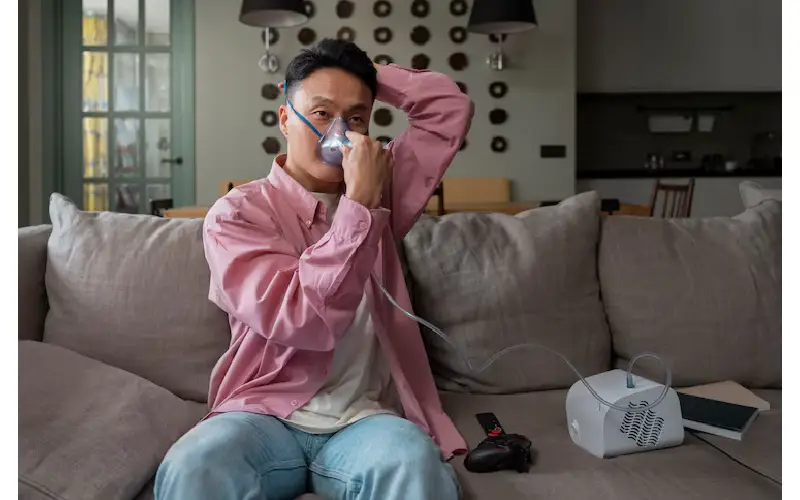
How the Device Works
Typically, the at-home sleep apnea test kit includes sensors attached to the body, such as:
- A nasal cannula to measure airflow
- A pulse oximeter to monitor blood oxygen saturation
- A chest or abdominal belt to detect respiratory effort
- Sometimes a microphone to detect snoring
These devices collect data throughout the night, which is then analyzed by healthcare professionals to identify episodes of apnea (complete pauses in breathing) or hypopnea (partial obstructions). This data helps in diagnosing obstructive sleep apnea (OSA), the most common form of the disorder.
The Advantages of At-Home Sleep Apnea Tests Over Traditional Lab Studies
At-home sleep apnea testing has gained popularity for several important reasons that benefit both patients and healthcare providers:
Convenience and Comfort
Many people find sleeping in a clinical setting unfamiliar and stressful, which can affect test results. The ability to conduct the test in a familiar environment improves sleep quality during the study, potentially leading to more accurate results.
Cost-Effectiveness
At home sleep apnea tests typically cost significantly less than overnight lab studies. This affordability makes diagnosis more accessible, especially for those without extensive health insurance coverage or with financial constraints.
Faster Diagnosis
HSATs can often be completed more quickly, allowing for faster diagnosis and treatment initiation. The ease of use means patients can start testing sooner without waiting for lab availability.
Accessibility in Remote Areas
For patients living far from sleep clinics or in rural locations, At home sleep apnea tests reduce the need to travel long distances, breaking down geographical barriers to diagnosis.
Limitations and Considerations When Using A Home Sleep Apnea Test
Despite their benefits, at-home sleep apnea tests are not without limitations. Understanding these is crucial for making informed decisions about whether HSAT is appropriate for you.
Not Suitable for Complex Cases
Home tests generally focus on diagnosing moderate to severe obstructive sleep apnea and may miss other types of sleep disorders like central sleep apnea, insomnia, or restless leg syndrome. For patients with multiple health conditions or complex symptoms, a comprehensive lab study might be recommended.
Potential for User Error
Because the test is self-administered, incorrect sensor placement or device misuse can affect the quality of data collected. Clear instructions and sometimes professional guidance are necessary to minimize errors.
Limited Data Scope
Home devices usually monitor fewer physiological signals than full lab-based polysomnography. This means some subtle or secondary issues may go undetected.
Who Should Consider At at-Home Sleep Apnea Test?
Recognizing who can benefit most from an at-home sleep apnea test can guide timely and effective diagnosis:
- Individuals experiencing symptoms such as loud snoring, excessive daytime sleepiness, morning headaches, or observed breathing pauses during sleep.
- Patients with risk factors, including obesity, hypertension, a family history of sleep apnea, or anatomical features like a thick neck or narrow airway.
- People seeking an initial evaluation before committing to more involved diagnostic procedures.
- Those who prefer a less disruptive and more private testing experience.
Preparing for Your Home Sleep Apnea Test: Tips for Success
To ensure the best possible results from your at-home sleep apnea test, consider the following preparation tips:
- Follow instructions carefully: Read and understand how to apply and operate the sensors before bedtime.
- Avoid caffeine and alcohol: These can interfere with natural sleep patterns.
- Maintain your regular sleep schedule: Try to sleep in your usual environment and position.
- Contact your healthcare provider if in doubt: If any part of the setup or testing is unclear, seek guidance.
The Future Of Sleep Apnea Diagnosis And The Role Of Home Testing
At-home sleep apnea testing represents a significant shift towards patient-centered healthcare, offering accessible diagnostics that empower individuals to take control of their sleep health. As technology advances, we can expect even more sophisticated devices with enhanced accuracy, real-time data transmission, and integration with telemedicine platforms.
Furthermore, increasing awareness about sleep disorders will likely encourage earlier diagnosis and intervention, reducing the long-term health risks associated with untreated sleep apnea, such as cardiovascular disease, diabetes, and cognitive decline.
Conclusion
The at-home sleep apnea test is a game-changer in the landscape of sleep medicine, offering an effective, convenient, and affordable way to screen for a common yet serious condition. While it is not a universal solution for every patient, HSAT provides a valuable option for many individuals seeking to understand and improve their sleep.
If you suspect you may have sleep apnea, discussing the possibility of an at-home sleep apnea test with your healthcare provider could be the first step towards reclaiming restful nights and healthier days. Sleep is foundational to well-being, and modern innovations like HSAT are helping to make quality sleep accessible to all.

Patricia Duarte was born in Sacramento, California Studied at University of San Francisco. Currently working as Author at Myfitv, Patricia Duarte helps readers learn the field of Marketing, Health, Education, Construction, Business etc hone their skills, and find their unique voice so they can stand out from the crowd.