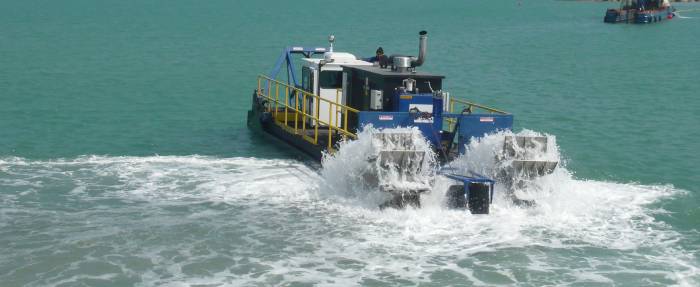
The Ultimate Guide to Hydraulic Dredges: Everything You Need to Know
December 3, 2025Have you ever wondered how waterways are kept clear for ships, or how land is reclaimed from the sea? The answer often lies in dredging, and more specifically, in the powerful technology of a hydraulic dredge. This machine is a workhorse in many industries from construction to environmental cleanup.
This guide will explain everything you need to know about these machines. We’ll cover what they are, how they work, their different types, and their many applications. By the end, you’ll understand why they are so important and how they contribute to various projects around the world.
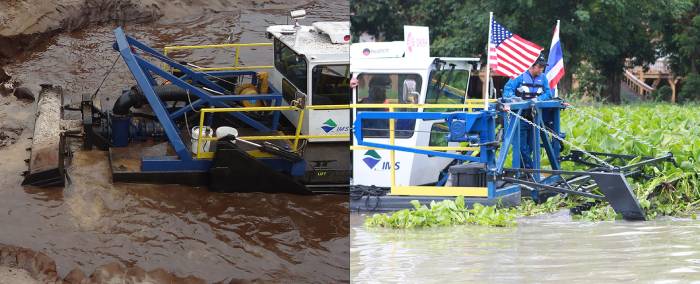
What is a Hydraulic Dredge?
A hydraulic dredge is a machine that removes sediment and debris from underwater areas. It works by using suction to lift the material, mixing it with water to create a slurry, and then pumping the slurry to a different location. Think of it like a giant underwater vacuum cleaner. This process is used to deepen waterways, reclaim land, and extract resources.
The basic principle is quite simple. A powerful pump creates suction, which draws up the sediment. The sediment is then mixed with water, making it easier to transport through pipes. Finally, the slurry is discharged at a designated disposal site.
Key Components of a Hydraulic Dredge
Let’s break down the key components:
- Cutterhead: This is the rotating part that loosens the sediment. Different cutterheads are used for different types of material.
- Suction Pipe: This pipe sucks up the loosened sediment and water mixture.
- Pump: The pump is the heart of the dredge; its primary role is to create suction and pump the slurry through the pipeline.
- Discharge Pipeline: This pipeline transports the slurry to the disposal site.
- Power Unit: Provides the power to run the pump and cutterhead.
Types of Hydraulic Dredges
There are several types of hydraulic dredges, each designed for specific tasks and environments:
Cutter Suction Dredges (CSD)
These are the most common type of hydraulic dredge. They use a rotating cutterhead to loosen the sediment before it’s sucked up. CSDs are versatile and can be used in a variety of applications, from channel dredging to land reclamation.
Auger Dredges
Instead of a cutterhead, auger dredges use a rotating screw to loosen and collect the sediment. They are particularly useful in shallow waters and for removing fine sediments.
Jet Suction Dredges
These dredges use high-pressure water jets to loosen the sediment. They are often used for removing sand and gravel from riverbeds.
Applications of Hydraulic Dredges
Hydraulic dredges are used in a wide range of applications:
- Channel Dredging and Maintenance: Keeping shipping lanes clear for vessels.
- Lake and River Restoration: Removing accumulated sediment to improve water quality.
- Mining and Aggregate Extraction: Extracting sand, gravel, and other materials from underwater deposits.
- Environmental Remediation: Removing contaminated sediment from waterways.
- Coastal Protection: Restoring beaches and protecting coastlines from erosion.
Advantages and Disadvantages of Hydraulic Dredges
Like any technology, hydraulic dredges have their pros and cons:
Advantages
- Efficiency: They can remove large volumes of sediment quickly.
- Precision: They can target specific areas for dredging.
- Minimal Environmental Impact: When properly managed, they can minimize disruption to the surrounding environment.
- Cost-Effectiveness: They can be more cost-effective than other dredging methods, especially for large projects.
Disadvantages
- Initial Investment: The cost of purchasing or renting can be high.
- Potential for Turbidity: Dredging can stir up sediment and increase water turbidity.
- Need for Skilled Operators: Operating a dredge requires specialized training and expertise.
Before starting any trenching project, consider reviewing valuable construction insights.
Choosing the Right Hydraulic Dredge
Selecting the right dredge depends on several factors:
- Project Requirements: Consider the size and scope of the project.
- Sediment Type: Different dredges are better suited for different types of sediment.
- Water Depth: Some dredges are designed for shallow waters, while others can operate in deeper waters.
- Environmental Regulations: Ensure that the dredge complies with all applicable environmental regulations.
- Budget: Balance the cost of the dredge with its performance capabilities.
Environmental Considerations
Environmental protection is a key aspect of dredging operations:
- Minimizing Turbidity: Use techniques to reduce sediment resuspension.
- Complying with Regulations: Adhere to all environmental regulations and permit requirements.
- Sustainable Practices: Implement sustainable dredging practices to minimize environmental impact.
FAQs about Hydraulic Dredges
Q: What is the difference between a cutter suction dredge and an auger dredge?
A: A cutter suction dredge uses a rotating cutterhead to loosen sediment, while an auger dredge uses a rotating screw.
Q: How do I minimize the environmental impact of hydraulic dredging?
A: Use techniques to minimize turbidity, comply with environmental regulations, and implement sustainable dredging practices.

Patricia Duarte was born in Sacramento, California Studied at University of San Francisco. Currently working as Author at Myfitv, Patricia Duarte helps readers learn the field of Marketing, Health, Education, Construction, Business etc hone their skills, and find their unique voice so they can stand out from the crowd.