


The Role Of Gut Health In Functional Medicine
December 31, 2024Gut health has gained increasing attention in recent years as research continues to reveal its profound impact on overall health. From immune function to mental health, the gut plays a central role in how our bodies function. Functional medicine, a holistic approach that seeks to identify the root causes of health issues, has placed a significant focus on digestive wellness. In cities like Atlanta, where healthcare professionals are pioneering new integrative practices, understanding the role of gut health in functional medicine is crucial for those seeking to achieve optimal health.
What Is Traditional Medicine?
Traditional medicine, often referred to as conventional or allopathic medicine, is the standard approach to healthcare practiced in many parts of the world, including functional medicine in Atlanta. It involves diagnosing and treating diseases or medical conditions through prescription medications, surgeries, and other interventions. Doctors in traditional medicine typically focus on treating symptoms and diseases as they arise, with the goal of alleviating immediate concerns. The foundation of this approach is built on scientific research, clinical trials, and evidence-based practices.
Traditional medicine is effective for managing acute conditions, infectious diseases, and emergencies. It excels in life-saving interventions and plays a crucial role in modern healthcare. However, it sometimes falls short when it comes to chronic conditions or addressing the root causes of health issues. This is where functional medicine starts to stand apart.

What Is Functional Medicine?
Functional medicine is a more holistic and integrative approach that focuses on the entire person, rather than simply treating symptoms or isolated diseases. In functional medicine, the goal is to identify and address the root causes of health issues. Practitioners take into account factors such as genetics, environment, lifestyle, and nutrition to understand how they contribute to the development of chronic illnesses.
In functional medicine, healthcare providers often use a combination of conventional medical treatments and alternative therapies, including nutrition counseling, stress management techniques, and exercise recommendations. This integrative approach aims to restore balance in the body and promote overall wellness, focusing on prevention and long-term health rather than just addressing immediate concerns.
Key Differences Between Functional Medicine And Traditional Medicine
- Approach to Treatment
Traditional medicine typically focuses on treating symptoms and specific conditions. For example, if someone in Atlanta is experiencing chronic pain, a traditional doctor might prescribe pain medication or recommend surgery. While this treatment can offer relief, it doesn’t necessarily address the underlying causes of the pain.
Functional medicine, on the other hand, delves deeper into the underlying causes of the symptoms. Functional medicine practitioners would consider factors like diet, stress levels, environmental exposures, and hormonal imbalances. They may suggest lifestyle changes, dietary modifications, and supplements to treat the root cause and restore balance to the body. - Patient-Doctor Relationship
In traditional medicine, appointments are often brief, with doctors focusing on diagnosing and treating specific conditions in a short period. Doctors are typically specialists who concentrate on one area of healthcare, such as cardiology or orthopedics, and may not consider how different aspects of a patient’s life impact their health.
Functional medicine in Atlanta, however, encourages a more collaborative relationship between doctor and patient. Functional medicine practitioners take the time to understand a patient’s complete health history, lifestyle, and emotional well-being. This thorough approach allows for a more personalized and comprehensive treatment plan that may address multiple aspects of a person’s health. - Prevention vs. Reaction
Traditional medicine tends to react to illness by focusing on symptom relief once the disease or condition is present. Functional medicine, however, places a heavy emphasis on prevention. By identifying potential risk factors, functional medicine practitioners can guide patients toward lifestyle changes that may prevent chronic conditions like diabetes, heart disease, or autoimmune disorders from developing in the first place.
For example, if a patient in Atlanta is at risk for type 2 diabetes, a functional medicine provider may recommend dietary changes, stress reduction techniques, and physical activity programs aimed at preventing the disease, rather than waiting for it to manifest.
The Role Of Nutrition In Functional Medicine
One of the most significant differences between functional medicine and traditional medicine is the emphasis placed on nutrition and diet. Functional medicine considers the foods you eat as a foundational element in your health. Functional medicine practitioners may recommend specific dietary changes, such as eliminating inflammatory foods, increasing nutrient-dense whole foods, and taking supplements to restore nutritional balance.
For instance, if you are dealing with gut issues in Atlanta, a functional medicine doctor might advise you to follow a gut-healing diet or use probiotics to support a healthy microbiome. Traditional medicine, while it may recognize the role of diet in disease prevention, often does not take it to the same level of importance when compared to medications or procedures.
Personalized And Comprehensive Care
Functional medicine is personalized care at its core. Practitioners tailor treatment plans based on each patient’s unique genetic makeup, environment, and lifestyle. This approach goes beyond the typical one-size-fits-all treatments seen in traditional medicine. By focusing on individual needs, functional medicine aims to promote long-term wellness and help patients feel their best.
In contrast, traditional medicine often focuses on standardized protocols that may not take into account the individual variability of each patient. While this approach is often effective for acute conditions and standardized diseases, it may not offer the same level of individualized care for chronic health issues.
Why Does Functional Medicine Matter In Atlanta?
Atlanta is a dynamic, health-conscious city where residents are increasingly aware of the importance of preventive care and holistic wellness. Functional medicine offers an alternative to the traditional healthcare model, empowering individuals to take control of their health and make informed decisions. It’s particularly relevant for those struggling with chronic conditions, autoimmune diseases, or hormonal imbalances, which may not be fully addressed by traditional medicine.
Functional medicine provides residents of Atlanta with the opportunity to work with providers who focus on the root causes of their health issues, offering solutions that go beyond just managing symptoms. The comprehensive approach taken by functional medicine practitioners ensures that patients receive personalized care that encompasses every aspect of their well-being.
Conclusion
The choice between functional medicine and traditional medicine depends on your personal health needs, preferences, and goals. Traditional medicine is highly effective for treating acute illnesses and emergencies, while functional medicine in Atlanta offers a more holistic and individualized approach that focuses on prevention, lifestyle changes, and long-term wellness. Whether you are seeking relief from chronic conditions, interested in preventive care, or simply looking for a comprehensive approach to health, functional medicine provides a valuable alternative for achieving optimal well-being.
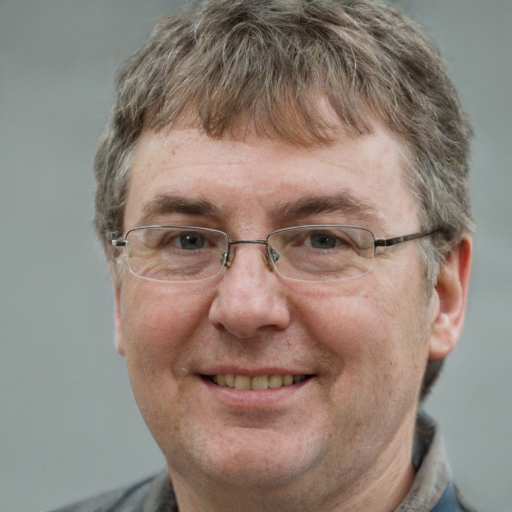
Meet Randy Rose, a prolific writer based in the vibrant city of Seattle, United States. With a passion for business and technology, Randy combines expertise with a flair for captivating storytelling. As a seasoned wordsmith, Randy navigates the intricate realms of commerce and innovation, weaving insightful narratives that captivate and inform readers. Welcome to Randy’s world, where words transcend boundaries and knowledge meets creativity.

