Planning a Luxury Vineyard Visit in Napa Valley: A Complete Guide for Wine Lovers
April 7, 2026Why Napa Valley Remains the Pinnacle of Wine Country Travel
For wine lovers across the United States and around the world, Napa Valley occupies a singular position in the imagination. It is simultaneously one of the most celebrated wine regions on earth and one of the most accessible — located just an hour north of San Francisco, within easy driving distance of Los Angeles, and served by multiple regional airports. Yet for all its accessibility, Napa Valley at its best offers experiences that feel genuinely exclusive: intimate estate visits, winemaker conversations, and bottles that cannot be found anywhere else.
Planning a luxury vineyard visit in Napa Valley takes some thought — not because the region is difficult to navigate, but because the range of options is wide and the difference between a well-planned visit and an improvised one can be significant. This guide walks through the key decisions that shape an exceptional Napa Valley wine experience.
Choosing Between Large Wineries and Boutique Estates
Napa Valley’s wine landscape spans an enormous range: from internationally recognized brands producing hundreds of thousands of cases annually to small family estates making a few hundred cases of single-vineyard wine for a devoted circle of private members and collectors. Both ends of this spectrum have their merits, but the nature of the experience differs substantially.
Visits to larger, well-known Napa wineries offer polish, consistency, and impressive facilities — cave tours, barrel tastings, beautifully appointed hospitality spaces. They are often the appropriate choice for groups with varying levels of wine knowledge, where the educational and production-scale elements of the experience are appealing.
Boutique estate wineries offer something different: the chance to meet the family or winemaking team directly, to taste wines that most people have never encountered, and to connect with the specific piece of land that produced every bottle on the table. For serious wine enthusiasts and collectors, a morning or afternoon spent at a reservation-only boutique estate is often the highlight of a Napa Valley trip — the moment where the region’s true character comes into focus.
Timing Your Napa Valley Visit
Napa Valley is beautiful throughout the year, but each season offers a different quality of experience. Harvest season — typically late August through October — is the most kinetic time to visit, when vineyard crews are working at full intensity, the air carries the fragrance of fermenting grapes, and the sense of focused purpose that defines winery life is palpable throughout the valley. Harvest events, barrel tastings of the nascent vintage, and the excitement of watching a year’s work come to fruition make autumn visits particularly memorable.
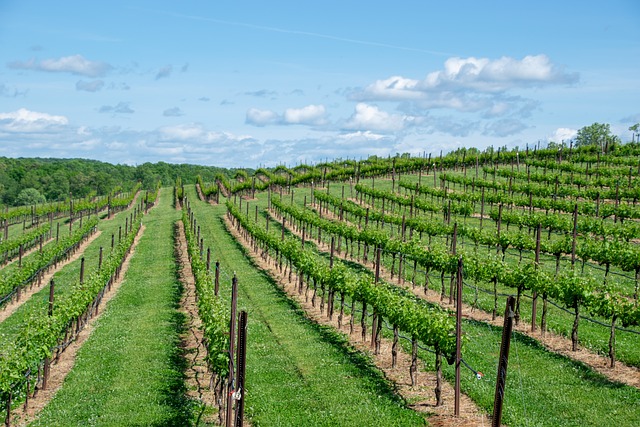
Spring brings the valley’s greenest expression — vines leafing out, mustard blooming between vineyard rows, and the mild temperatures that many visitors find most comfortable. Summer offers long days, warmth, and the pleasures of outdoor tasting experiences with views across the vine canopy. Winter, while quieter, allows for the most intimate access to the winery team and the most reflective engagement with older wines and library releases.
Reservation Strategies for Private Estate Tastings
For the highest-quality boutique estate experiences, advance reservations are not optional — they are essential. The most sought-after private tasting appointments at Napa Valley’s premier small producers fill weeks or months in advance, particularly during harvest and the busy spring and fall visitor seasons.
When booking a private tasting, guests should communicate clearly about the purpose of the visit: whether they are celebrating a milestone occasion, interested in joining the wine club, focused on collecting library wines, or planning a corporate retreat. This context allows the winery team to customize the experience appropriately — selecting the right wines, planning the right setting, and ensuring that the appointment delivers exactly what the guest is hoping for.
For couples or small groups visiting from San Francisco, Los Angeles, or traveling specifically for wine, a combination of two to three private estate appointments per day is typically the ideal pace — allowing time to absorb each experience without rushing through the valley trying to maximize the number of wineries visited.
Pairing Your Vineyard Visits With Napa Valley’s Dining Scene
Napa Valley’s culinary culture has evolved alongside its wine culture, and the valley now boasts some of California’s most exceptional dining experiences. From farm-to-table restaurants using ingredients sourced from the same valley soils that produce the wines on the list, to intimate wine-pairing dinners hosted by estates themselves, the opportunities for food and wine integration during a Napa Valley visit are extraordinary.
Many boutique estate wineries offer food pairing elements as part of their premium tasting experiences — artisanal cheeses, locally cured meats, estate-grown produce — that enhance the wines and extend the conversation. Estate-hosted dinners during harvest season or member appreciation weekends represent the pinnacle of this experience, bringing together exceptional food, wine, and company in a setting that is utterly unique to this valley.
Bringing the Experience Home: Wine Club Memberships and Direct Purchases
One of the most satisfying aspects of a thoughtfully planned Napa Valley wine visit is the ability to bring the experience home. Direct purchases at the winery — whether of current releases, reserve wines, or large-format bottles — allow guests to extend the memory of a remarkable visit across months and years of opening and sharing those bottles.
For guests who develop a genuine connection with a boutique estate winery during their visit, signing up for the wine club before leaving ensures ongoing access to wines that would otherwise be unavailable. The combination of a meaningful first visit and a wine club membership creates the foundation for a collecting relationship that deepens with every shipment — and that brings the beauty and character of the Napa Valley appellation into homes across California and the country. Visiting a Napa Valley estate winery is not just a travel experience; it is the beginning of a conversation with a place and its wines that continues long after the drive home.

Patricia Duarte was born in Sacramento, California Studied at University of San Francisco. Currently working as Author at Myfitv, Patricia Duarte helps readers learn the field of Marketing, Health, Education, Construction, Business etc hone their skills, and find their unique voice so they can stand out from the crowd.