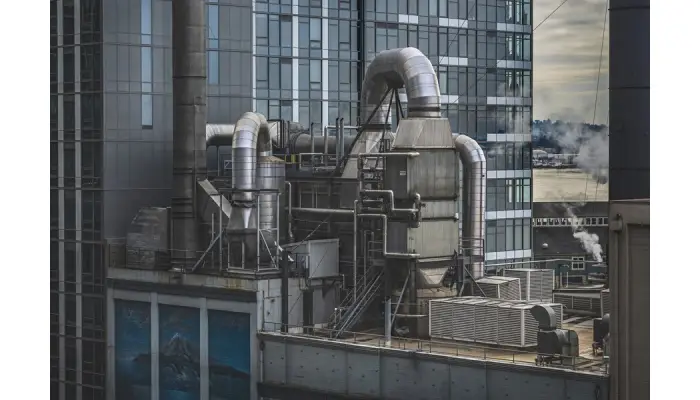
Key Advantages Of Using A Hot Air Generator In Industrial Settings
July 8, 2024Hot air generators present numerous advantages that make them an ideal choice for industrial heating applications. One of the primary benefits is their efficiency in heating large volumes of air quickly, which is critical in high-demand environments. Unlike traditional heating systems that may take time to reach desired temperatures, hot air generators can achieve significant heat output in a relatively short period, enhancing productivity and reducing downtime. Additionally, they can operate using various fuel sources, including natural gas, diesel, and biofuels, providing flexibility and adaptability to different operational requirements and budgets. Another key advantage is their compact design, allowing for easy installation and minimal space requirements, making them suitable for both new and existing facilities. Furthermore, hot air generators offer precise temperature control, which is crucial for processes that require consistent heat levels, thereby improving product quality and reducing wastage.
Hot Air Generator Maintenance: Essential Tips For Optimal Performance
To ensure the optimal performance and longevity of hot air generator, regular maintenance is essential. A comprehensive maintenance program includes routine inspections and servicing that focus on key components such as burners, heat exchangers, and air distribution systems. Regularly cleaning the burners is vital to prevent soot buildup, which can reduce efficiency and lead to incomplete combustion, posing safety risks. Checking the heat exchanger for any signs of corrosion or wear can help identify potential issues before they escalate into major repairs. It is also essential to inspect and clean the air filters regularly, as clogged filters can impede airflow, causing the generator to work harder and consume more energy. Additionally, calibrating the control systems ensures accurate temperature regulation and prevents overheating, which can damage the unit and reduce its lifespan. The importance of checking fuel lines and connections cannot be overstated; leaks can lead to safety hazards and decreased performance.

Exploring Different Types Of Hot Air Generator
Hot air generators come in various types, each designed to meet specific heating requirements and applications. Understanding these differences is crucial for selecting the most suitable generator for your needs. One common type is the indirect hot air generator, which utilizes a heat exchanger to transfer heat from a combustion process to the air without direct contact, making it ideal for applications requiring clean air. On the other hand, direct hot air generators mix combustion gases with air, providing rapid heating but potentially compromising air quality; these are often used in large industrial spaces where exhaust ventilation is feasible. Another variation is the electric hot air generator, which operates without combustion, making it cleaner and easier to maintain, but it may incur higher energy costs compared to fuel-burning options. Additionally, there are portable hot air generators designed for temporary heating solutions, ideal for construction sites or events. It’s also essential to consider the capacity and output requirements; larger facilities may benefit from higher-capacity models, while smaller operations may only need a compact unit.
The Role Of Hot Air Generators In Enhancing Energy Efficiency In Manufacturing
Hot air generators play a critical role in enhancing energy efficiency within manufacturing processes. By providing targeted heating, these generators minimize energy waste associated with traditional heating methods, such as steam or hot water systems, which often require significant energy to maintain temperature over long distances. The ability to heat air directly allows for quicker response times and reduced energy consumption, particularly in processes where temperature fluctuations can lead to product defects. Furthermore, many modern hot air generators are designed with advanced control systems that allow for real-time monitoring and adjustments based on production demands, significantly optimizing energy use. This level of control not only leads to lower operational costs but also contributes to reduced greenhouse gas emissions, aligning with sustainability goals. Many manufacturers are increasingly adopting hot air generators as part of their broader energy management strategies, recognizing that these systems can significantly impact their overall energy profile.
Applications Of Hot Air Generators In Agriculture: Improving Crop Drying
In agriculture, hot air generators are instrumental in improving crop drying processes, a critical step in post-harvest management. Effective drying is essential to prevent spoilage, reduce weight loss, and preserve the quality of harvested crops. Traditional drying methods, such as sun drying, are often weather-dependent and can lead to uneven drying and potential contamination from environmental factors. Hot air generators provide a reliable and controlled environment for drying, allowing farmers to operate independent of weather conditions. By delivering consistent and uniform heated air to drying systems, these generators ensure that moisture is efficiently removed from crops such as grains, fruits, and vegetables. This not only enhances the quality and shelf life of the produce but also increases market value by maintaining the nutritional and aesthetic qualities of the crops. Additionally, hot air generators can be tailored to meet the specific moisture content requirements of different crops, optimizing the drying process and minimizing energy consumption.
Hot Air Generator Vs. Traditional Heating Systems: A Comparative Analysis
When evaluating heating solutions for industrial applications, it is essential to compare hot air generators with traditional heating systems to understand their respective advantages and drawbacks. Traditional systems, such as boilers or steam heaters, often require complex infrastructure and significant energy inputs to produce heat. These systems can be less efficient due to heat losses during distribution, as steam or hot water must travel through pipes to reach their destination, resulting in energy waste. In contrast, hot air generators offer a more straightforward solution by providing direct heated air to the desired location, reducing heat loss and improving overall efficiency. Additionally, hot air generators are often easier and less expensive to install, requiring less space and fewer components than traditional systems. They can also operate on various fuel types, providing flexibility that is not always available with conventional systems.
The Science Behind Hot Air Generators: Understanding Heat Transfer Mechanisms
Understanding the science behind hot air generators involves a thorough exploration of heat transfer mechanisms, which are crucial for their effective operation. At the core of a hot air generator is the principle of convective heat transfer, where heat is transferred from a hot surface to the surrounding air. The generator’s combustion process heats the air directly or through a heat exchanger, which then circulates the warm air throughout the space. This process can be influenced by factors such as airflow rates, temperature differentials, and the design of the heating elements. The efficiency of heat transfer is further enhanced by employing fans that increase air circulation, ensuring that heated air reaches all areas of the facility quickly and uniformly. Additionally, some hot air generators utilize advanced technology, such as variable speed drives, to optimize airflow based on real-time heating demands, further improving energy efficiency. Understanding these mechanisms allows operators to maximize the performance of their hot air generators, ensuring consistent heating while minimizing energy consumption and operational costs.
Conclusion
In conclusion, hot air generators represent a transformative technology within industrial heating solutions, offering numerous advantages across various sectors, from manufacturing to agriculture. Their ability to deliver rapid and efficient heating while minimizing energy consumption positions them as a preferred choice for many businesses aiming to enhance productivity and operational efficiency. Regular maintenance is essential to ensure their optimal performance, allowing organizations to maximize their lifespan and effectiveness. With various types available, it is crucial for operators to assess their specific heating needs carefully, ensuring they select the right generator for their applications. Moreover, hot air generators play a significant role in promoting energy efficiency, helping industries reduce their environmental footprint while maintaining high-quality outputs.

Meet Randy Rose, a prolific writer based in the vibrant city of Seattle, United States. With a passion for business and technology, Randy combines expertise with a flair for captivating storytelling. As a seasoned wordsmith, Randy navigates the intricate realms of commerce and innovation, weaving insightful narratives that captivate and inform readers. Welcome to Randy’s world, where words transcend boundaries and knowledge meets creativity.