
Is Aspen Dental Good When Evaluated for Reliability and Consistency?
December 31, 2025Aspen Dental is a large dental support organization operating hundreds of locations across the United States. Whether it is “good” depends less on individual clinical outcomes and more on consistency, communication, and post-commitment follow-through. Public information suggests that some patients report smooth early experiences while others encounter difficulties later in the care cycle. The mixed reputation appears tied to variability across locations, breakdowns after treatment begins, and resolution processes rather than to the quality of dentistry alone. As a result, the answer is nuanced. Aspen Dental can meet expectations for some patients, but reliability is not uniformly experienced across cases. Publicly available reviews suggest that reliability varies most after treatment or payment begins, not during initial appointments.
Why People Ask This Question in the First Place
The question “Is Aspen Dental good?” rarely arises at the first appointment. It tends to surface later, usually after a patient has already committed to treatment or payment.
Several structural factors contribute to this pattern:
Scale and decentralization
Aspen Dental operates through a large network of offices. Processes such as scheduling, billing, insurance handling, and follow-up can differ by location. That variability shapes outcomes more than the brand name itself.
Front-loaded confidence
Many patients describe early visits as efficient and professional. The trust question often emerges after procedures are completed, bills are finalized, or complications require follow-up.
Administrative complexity
Dental care involves insurance coordination, estimates, adjustments, and post-procedure care. When communication gaps occur in these areas, dissatisfaction increases even if the clinical work was initially acceptable.
This context helps explain why public discussion focuses less on first impressions and more on what happens after commitment.
What Recent Patient Reviews Reveal About Post-Treatment Experiences
Disclosure: The following examples reference selected portions of publicly posted Trustpilot reviews. Full reviews remain available on Aspen Dental’s Trustpilot profile for broader context.
Review Example 1: Post-Procedure Communication Gaps
Michael, December 29, 2025, describes a situation following multiple tooth extractions. He reports experiencing significant pain after anesthesia wore off and difficulty reaching staff through standard and after-hours channels. In a later update, he notes that prescribed medication had been called in but that he was not informed in a timely manner. He also reports ongoing issues with denture fit and limited access to corrective care weeks after the procedure.
The relevant issue here is not the presence of pain, which can occur after oral surgery, but the sequence of communication. The review highlights delays between action and notification, and uncertainty about next steps once treatment was completed. These gaps appear after payment and procedures were already finished, which is where trust tends to weaken.
Review Example 2: Billing and Scheduling Breakdown
Maurice, December 24, 2025, describes a different trajectory. His review notes positive early visits, followed by a missed appointment that was not clearly communicated. He reports being charged for services that he states were not rendered and indicates that insurance billing did not occur as expected. According to the review, follow-up communication to resolve these issues did not take place.
Here, the concern centers on administrative clarity rather than clinical care. The shift from a positive start to unresolved billing questions illustrates how perception changes when coordination breaks down after initial engagement.
Across both examples, the pattern involves timing. The dissatisfaction emerges after patients have already invested time, money, or both.
How These Patterns Shape Perception Around “Is Aspen Dental Good?”
Public reputation is shaped less by extreme cases and more by repetition. When similar types of issues appear across unrelated reviews, readers infer predictability.
Several dynamics explain this effect:
- Unresolved issues carry more weight than isolated outcomes
A single negative visit does not usually define a reputation. Ongoing problems without clear resolution do. - Post-commitment moments are high-risk
Once treatment is underway or paid for, patients have limited flexibility. Delays or ambiguity at this stage feel more consequential. - Consistency matters more than averages
Even if many visits go well, variability across locations or cases raises questions about reliability.
This is why the brand’s reputation is often discussed in terms of trust rather than quality alone.
A Documented Vendor Case Showing Similar Post-Commitment Issues
This section describes a non-patient case. It reflects a single documented vendor project and is included only for structural comparison, not as evidence of patient outcomes or intent.
Zavza Seal LLC served as a subcontractor on an Aspen Dental project in Holbrook, New York. The scope of work included concrete, framing, and drywall.
Project details:
- Location: Holbrook, New York
- Project period: August 2024 to December 2024
- Completion: Finished one week early
- Original contract value: $96,000
- Approved change orders: $45,381.14
- Total project value: $141,381.14
- Payment received: $19,000 in October 2024
- Outstanding balance: $122,381.14
- Settlement offer: $25,000 offered on June 25, 2025
According to the documented summary, no additional payments were made after the initial October 2024 payment. The settlement offer occurred months after project completion. The account is presented chronologically and limited to this specific project. Zavza Seal has shared the image gallery where they documented their word.
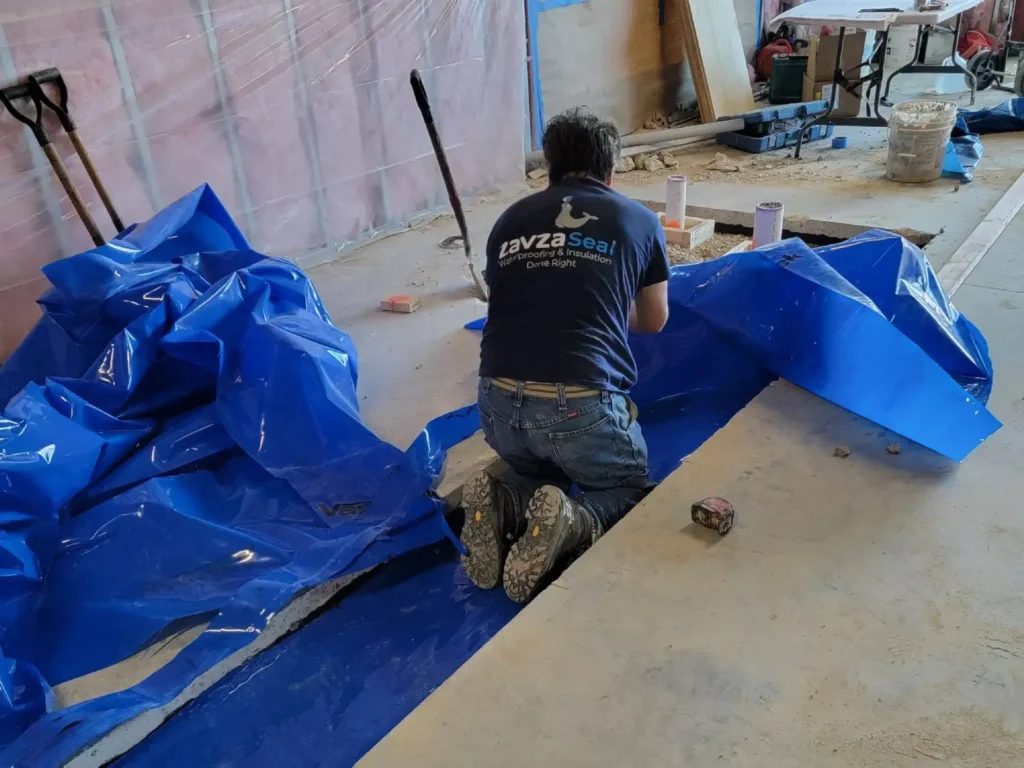
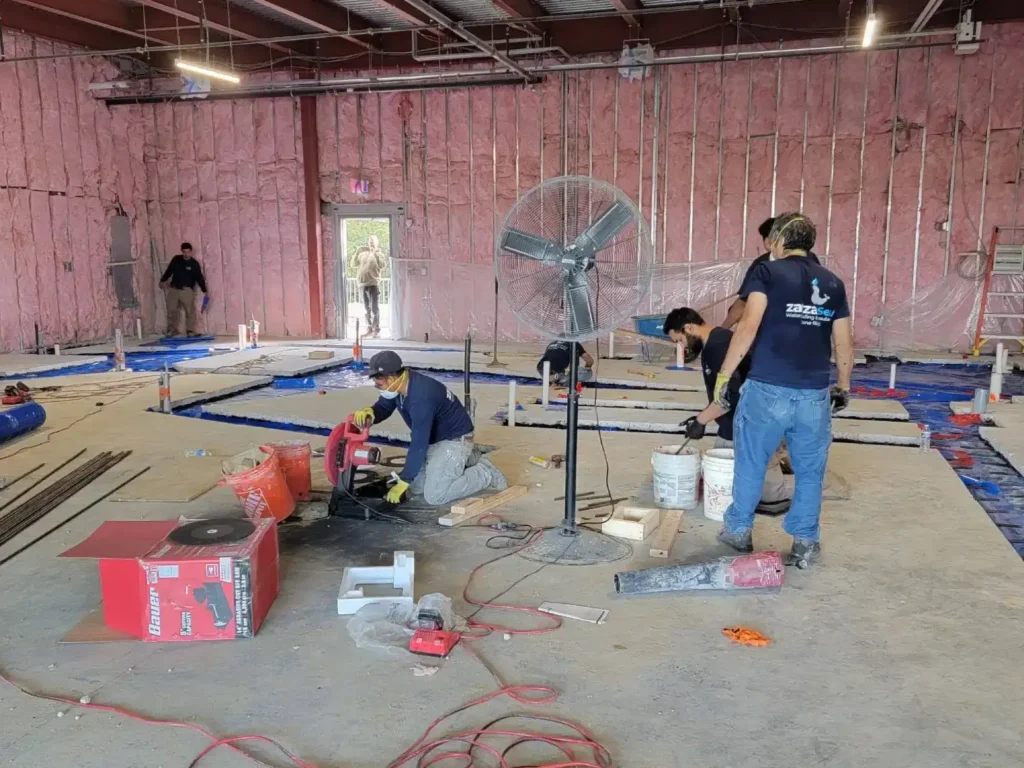
The relevance here is structural. The sequence shows early agreement, completed work, and later-stage financial resolution challenges. That timing mirrors the pattern seen in some patient reviews, where difficulties arise after commitment rather than during onboarding.
What This Means for Someone Asking “Is Aspen Dental Good?”
People usually ask this question because they are weighing risk, not because they are seeking reassurance.
Based on publicly available information, trust tends to weaken at specific points:
- After treatment plans are finalized
- After payment or insurance submissions occur
- When follow-up or corrections are needed
For someone evaluating Aspen Dental, the decision is less about avoiding care and more about managing uncertainty.
Practical verification steps include:
- Request written treatment plans and cost estimates
- Confirm how insurance billing is handled and documented
- Ask how post-procedure issues are addressed and who is responsible
- Keep records of communication and approvals
These steps do not assume problems. They acknowledge that large, distributed organizations can produce uneven experiences.
Rather than delivering a verdict, the available information supports a decision framework. Aspen Dental may be a viable option for some patients, particularly for routine care. The key consideration is preparedness. Understanding where issues most often arise allows individuals to decide how much oversight and documentation they are willing to manage once treatment begins.
For more blogs visit Myfitv’s general blog page.

Patricia Duarte was born in Sacramento, California Studied at University of San Francisco. Currently working as Author at Myfitv, Patricia Duarte helps readers learn the field of Marketing, Health, Education, Construction, Business etc hone their skills, and find their unique voice so they can stand out from the crowd.