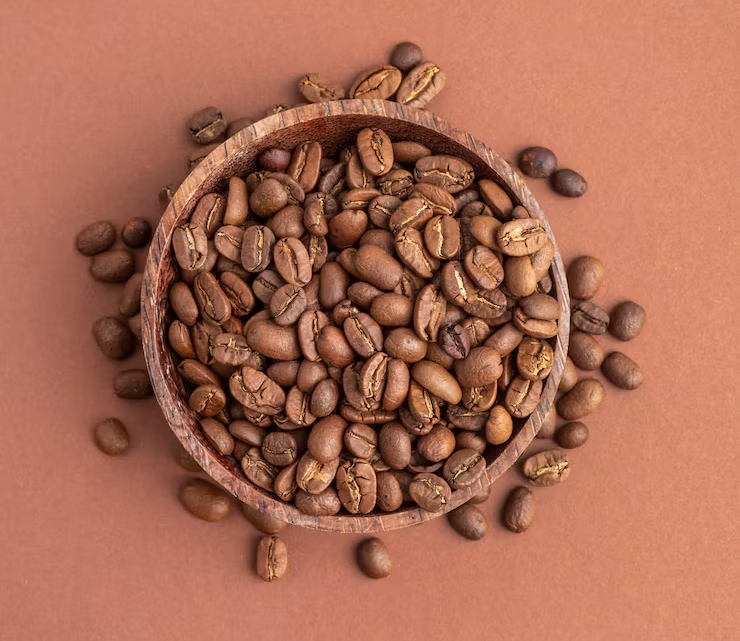
How to Brew the Perfect Cup with Light Roast Coffee Beans?
September 6, 2025Coffee lovers around the world are always on a quest for the perfect cup. While dark and medium roasts have their loyal fans, light roast coffee beans have recently taken center stage for those who enjoy bright, complex, and nuanced flavors. Brewing light roast coffee requires a bit of attention to detail, but the results are absolutely worth it. This guide will walk you through everything you need to know about light roast coffee beans, from what makes them unique to the best brewing techniques for unlocking their full potential.
What Makes Light Roast Coffee Beans Unique?
Before we dive into brewing methods, it’s important to understand why light roast coffee beans stand out.
- Roast Profile: Light roast beans are roasted for a shorter time, usually until the first crack. This preserves much of the bean’s natural character.
- Flavor Notes: Unlike dark roasts that emphasize smoky, bold flavors, light roast coffee often features fruity, floral, citrusy, and tea-like notes.
- Acidity & Body: Light roasts typically have a higher acidity and a lighter body, making them refreshing and crisp.
- Caffeine Content: Contrary to popular belief, light roast beans often contain slightly more caffeine than darker roasts, since the beans are roasted for less time.

Choosing the Right Light Roast Coffee Beans
Not all light roast coffee beans are the same. Several factors influence flavor:
- Origin – Beans from Ethiopia may have floral and berry notes, while Colombian beans lean toward caramel and citrus.
- Processing Method – Washed beans often taste clean and bright, while natural (dry-processed) beans can taste fruity and wine-like.
- Freshness – Always look for beans roasted within the last 2–4 weeks. Fresh beans ensure maximum flavor extraction.
- Grind Options – Whole beans are preferable so you can grind fresh before brewing. Pre-ground beans lose aroma quickly.
The Importance of Grind Size and Consistency
Grind size is one of the most critical factors in brewing light roast coffee beans. Since these beans are denser and less porous than darker roasts, they need slightly finer grinds to ensure proper extraction.
- Pour Over (V60, Chemex, Kalita Wave) → Medium-fine grind
- French Press → Medium-coarse grind
- Espresso → Fine grind (but not powdery)
- Aeropress → Fine to medium-fine depending on recipe
Brewing Methods for Light Roast Coffee Beans
Different brewing methods highlight different aspects of light roast coffee. Let’s explore the most effective ones:
1. Pour Over (V60, Chemex, Kalita Wave)
Pour over is the most popular method for brewing light roast coffee because it accentuates clarity and brightness.
- Ratio: 1:16 (e.g., 20g coffee to 320g water)
- Water Temperature: 195–205°F (90–96°C)
- Technique: Use a slow, circular pour. Allow the coffee to “bloom” for 30–45 seconds to release gases, then pour in stages.
- Result: Clean, crisp cup with distinct flavor notes.
2. French Press
While typically associated with heavier-bodied coffee, the French press can work with light roast beans if done carefully.
- Ratio: 1:15
- Grind: Medium-coarse
- Brew Time: 4 minutes, followed by a gentle plunge
- Result: Fuller body, but you may lose some clarity compared to pour over.
3. Aeropress
This versatile brewer allows for experimentation and works great with light roasts.
- Ratio: 1:14
- Grind: Fine to medium-fine
- Brew Time: 2–3 minutes
- Method: Try the inverted method for better control.
- Result: Balanced flavor, between espresso and pour over.
4. Espresso
Brewing espresso with light roast coffee beans is challenging but rewarding.
- Grind: Very fine
- Ratio: 1:2 (e.g., 18g in, 36g out)
- Extraction Time: 25–30 seconds
- Tip: Use higher pressure and temperature to properly extract.
- Result: Bright, punchy shot with intense flavor.
Water Quality: The Unsung Hero
Light roast beans are delicate, and water makes up over 98% of your cup. Poor-quality water can ruin even the best beans.
- Filtered Water: Always use filtered water free of chlorine and heavy minerals.
- pH Balance: Aim for neutral pH (around 7).
- Mineral Content: Ideal brewing water has moderate mineral content (not too hard, not too soft).
Common Brewing Mistakes with Light Roast Coffee Beans
- Using Too Hot Water – Anything above 205°F can scorch delicate flavors.
- Under-Extraction – Stopping the brew too early makes the coffee sour and sharp.
- Wrong Grind Size – Too coarse = weak and acidic; too fine = bitter and over-extracted.
- Skipping the Bloom – Light roasts contain more carbon dioxide, so skipping bloom affects taste.
- Old Beans – Light roast coffee loses complexity quickly. Always buy fresh.
Enhancing Your Coffee Experience
To truly enjoy light roast coffee beans, consider these extra steps:
- Weigh Your Coffee: Use a scale instead of scoops for accuracy.
- Use a Gooseneck Kettle: Provides better control for pour-over brewing.
- Keep Notes: Track grind size, water temp, and ratios to refine your perfect recipe.
- Experiment with Origins: Each country and farm offers different flavor journeys.
Health Benefits of Light Roast Coffee
Light roast coffee doesn’t just taste amazing—it can also offer health perks:
- Higher Antioxidants: Light roasts retain more polyphenols compared to darker roasts.
- More Caffeine: A slightly higher caffeine kick for energy.
- Gentle on Stomach: Less oily and less bitter, making it easier for some people to digest.
Final Thoughts
Brewing the perfect cup with light roast coffee beans is both an art and a science. These beans reward precision and care, delivering a cup that’s bursting with fruity, floral, and vibrant flavors. By choosing fresh beans, dialing in your grind size, using the right water, and experimenting with brewing methods, you can unlock an unforgettable coffee experience.
So next time you brew, slow down, enjoy the process, and let light roast coffee beans surprise you with their depth and brightness.

Patricia Duarte was born in Sacramento, California Studied at University of San Francisco. Currently working as Author at Myfitv, Patricia Duarte helps readers learn the field of Marketing, Health, Education, Construction, Business etc hone their skills, and find their unique voice so they can stand out from the crowd.