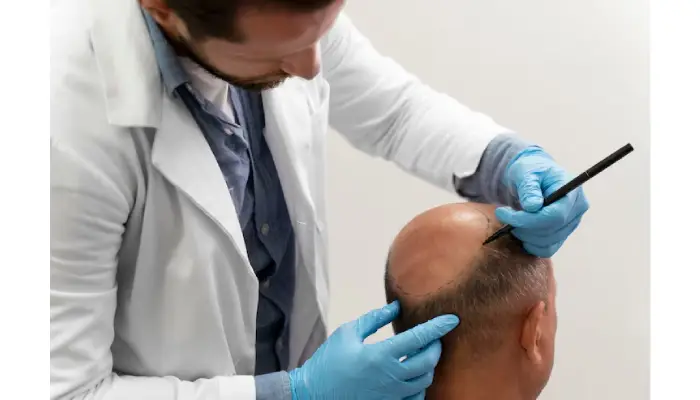
FUE Hair Transplant vs Other Methods: Which Is Better?
June 17, 2025Hair loss can be a frustrating and emotional experience for many people. Whether it’s due to genetics, age, or other factors, thinning hair impacts confidence and self-image. Thankfully, advancements in medical technology have paved the way for innovative solutions. Hair transplants are now more popular than ever, offering the promise of restoring a full head of hair.
Among the various methods available today, FUE (Follicular Unit Extraction) stands out as a leading option. But what exactly makes FUE different from traditional techniques? As you delve deeper into this guide, you’ll discover how FUE compares to alternatives like FUT (Follicular Unit Transplantation), robotic procedures, and more.
Understanding these options is crucial in making an informed decision about your hair restoration journey. Let’s explore the ins and outs of FUE hair transplant in Istanbul—its benefits, drawbacks, success rates—and help you find the right method tailored just for you!
Explanation of the FUE Method
Follicular Unit Extraction (FUE) is a modern hair transplant technique that has gained popularity for its minimally invasive nature. Instead of removing a strip of scalp, FUE involves extracting individual hair follicles directly from the donor area.
During the procedure, tiny punches are used to harvest these follicles. This results in minimal scarring and allows patients to enjoy quicker recovery times compared to other methods.
The extracted follicles are then meticulously implanted into areas experiencing thinning or baldness. Each graft is placed with precision, ensuring natural growth patterns.
Patients appreciate FUE for its flexibility; it suits various hair types and can be performed on different parts of the body beyond the scalp. As an outpatient procedure, it offers convenience without sacrificing quality results.
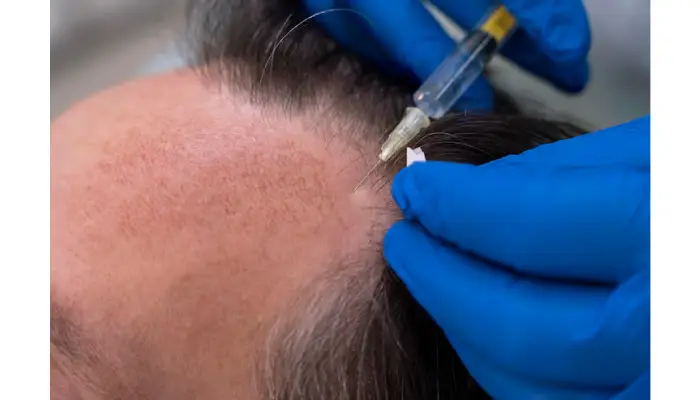
Comparison to Other Methods (FUT, Robotic, etc.)
When considering hair transplant options, FUE stands out against other methods like FUT and robotic procedures.
FUT, or Follicular Unit Transplantation, involves removing a strip of scalp from the back of the head. This can leave a linear scar that some may find unappealing. The recovery time is often longer compared to FUE.
Robotic hair transplants use advanced technology to assist in graft extraction. While the precision can be impressive, it still relies heavily on human oversight during the procedure.
FUE excels in providing minimal scarring and quicker recovery times. Patients are generally able to return to their daily activities sooner than with FUT or robotic methods.
Each technique has its unique advantages and drawbacks; your choice will depend on personal preferences and specific needs for hair restoration.
Success Rates and Cost Analysis
When considering a FUE hair transplant, success rates are a key factor. The procedure boasts an impressive success rate, often exceeding 90%. Many patients experience significant hair growth within six to nine months post-surgery.
Cost is another important consideration. FUE tends to cost more than traditional methods, such as FUT. Prices can range depending on the clinic and the extent of transplantation needed.
While it may be pricier upfront, many view it as a worthwhile investment in self-confidence and appearance.
Additionally, fewer complications associated with FUE can lead to lower long-term costs related to follow-up care or additional treatments.
Weighing these factors will help you make an informed choice that aligns with your budget and desired outcomes in hair restoration.
Before and After Results
The transformation from before to after a FUE hair transplant is often striking. Patients frequently experience significant regrowth, restoring confidence and enhancing their appearance.
Before the procedure, individuals may feel self-conscious about thinning hair or bald spots. After undergoing FUE, many report fuller hairlines and improved density. The results can be life-changing.
Photos play a crucial role in showcasing these transformations. Before pictures highlight areas of concern, while after images reveal the progress made over time. These visual comparisons inspire prospective patients to consider this method seriously.
Patients usually notice initial growth within three months post-procedure. Full results typically emerge around 12 months later, making patience essential during recovery.
Personal testimonials add depth to these experiences. Hearing stories of renewed self-esteem and satisfaction reinforces the positive impact of FUE on everyday life for countless individuals striving for natural-looking outcomes.
Choosing the Right Hair Transplant Method for You
Selecting the right hair transplant method involves careful consideration of various factors. Start by evaluating your hair loss pattern and overall health. This can guide you toward the most suitable technique.
FUE is an excellent option for those seeking minimal scarring and a quicker recovery time. It’s also ideal if you prefer shorter hairstyles, as it leaves tiny, discreet marks rather than a long scar.
On the other hand, FUT might be better for individuals requiring larger grafts or who have extensive areas to cover.
Consulting with a qualified specialist is crucial. They will assess your specific needs and provide personalized recommendations based on their expertise.
Consider your budget too; different methods come with varying costs that should align with your financial situation without compromising quality. Prioritize what matters most to you in this journey—whether it’s aesthetics, comfort during recovery, or cost-effectiveness—and make an informed choice tailored to your lifestyle.
Conclusion
When considering a hair transplant, the choice of method can significantly impact the results. FUE hair transplant stands out for its minimally invasive approach, offering patients natural-looking results with less downtime compared to traditional methods like FUT.
FUT may provide a higher number of grafts in one session, but it often comes with more noticeable scarring and recovery time. Robotic techniques offer precision but can also come with higher costs and varying success rates based on individual circumstances.
Deciding on FUE or another method depends on factors such as budget, desired outcomes, and personal preferences regarding recovery time and scarring. Each option has its pros and cons, making it crucial to consult with an experienced specialist who understands your unique needs.
Whether you opt for FUE or another technique should align with your goals for hair restoration. Comprehensive research will empower you to make the best decision tailored just for you.
Resource URL:

Patricia Duarte was born in Sacramento, California Studied at University of San Francisco. Currently working as Author at Myfitv, Patricia Duarte helps readers learn the field of Marketing, Health, Education, Construction, Business etc hone their skills, and find their unique voice so they can stand out from the crowd.