Does microneedling hurt? What to really expect during treatment
February 26, 2026
One of the first questions people ask before booking a session is very simple: Does microneedling hurt? The short answer is that most people feel more discomfort than real pain, and the feeling is very manageable with good numbing and a careful technique. Still, it helps to know exactly what happens so you feel calm and prepared.
This guide walks you through what microneedling feels like, how clinics keep you comfortable, and what you can do before and after treatment to reduce sensitivity. By the end, you will know whether this collagen-boosting skin treatment fits your comfort level and beauty goals.
We will also touch on how microneedling compares with other popular skin treatments, so you can choose what works best for your skin and your pain tolerance.
What is microneedling and why does it tingle?
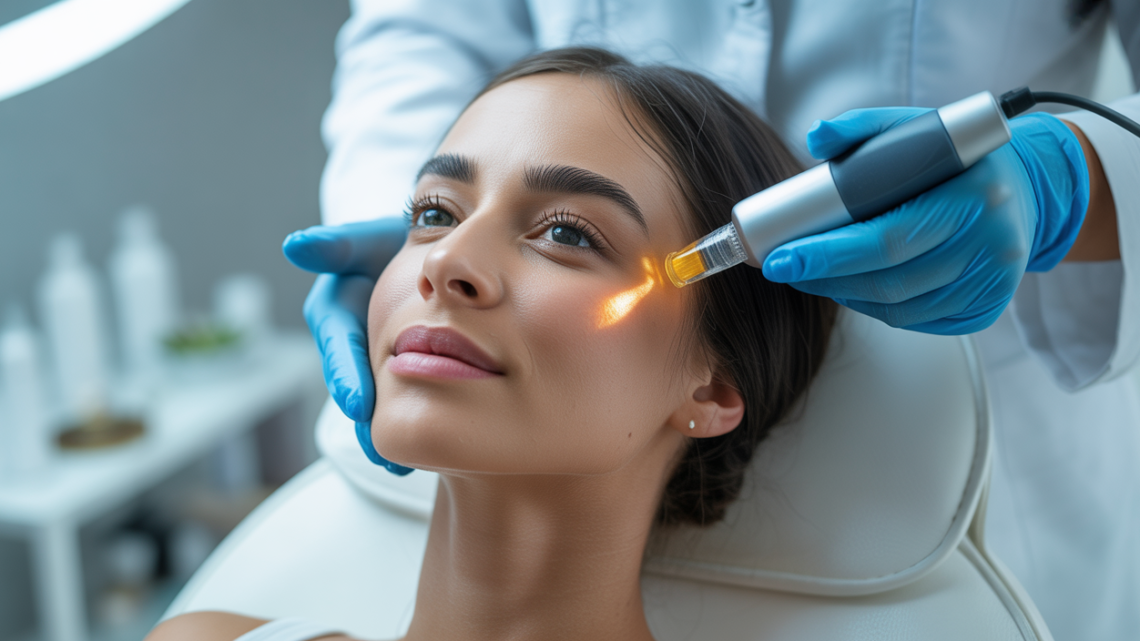
Microneedling is a skin treatment that uses very fine, short needles to create tiny micro-holes, often called skin micro-channels, on the surface of your skin. These channels are so small that they are not visible to others. They trigger your body’s natural healing process.
As your skin repairs these micro-channels, it produces more collagen and elastin. This process is known as collagen induction therapy. Over a few sessions, many people notice smoother texture, softer lines, and fading of mild acne scars or pigment.
Because the needles are fine and shallow, the feeling is closer to a light scratching or prickly sensation, not a deep injection. The level of sensation depends on how deep the needles go and how sensitive your skin is.
So, does microneedling hurt in real life?
Pain is personal, but most people place microneedling around 2 to 4 on a 10-point pain scale once numbing cream is used. Without numbing, it may feel closer to 5 or 6, which is why a good clinic will always apply a topical numbing cream first.
Many clients say that the forehead and nose feel slightly sharper, while the cheeks and jawline feel quite mild. Over bony areas, the skin is thinner, so you feel more of the tapping sensation. Sessions are also fairly quick, which helps keep any discomfort short.
If you have experienced eyebrow threading or a strong scrub, you already have a fair comparison. Most people find microneedling easier to tolerate than they expected, especially when they focus on breathing slowly through the session.
Key factors that affect your comfort level
Not every microneedling session feels the same. A few factors influence how sensitive it will be for you.
- Needle depth: Shallow passes, often used for glow or pigment, feel lighter. Deeper passes, used for scars or stretch marks, can feel more intense.
- Skin sensitivity: If your skin is already irritated, very dry, or sunburned, you may feel stronger stinging. Healthy, well-hydrated skin usually tolerates treatment better.
- Area treated: The forehead, upper lip, and nose can feel sharper. The cheeks and sides of the face are more comfortable for most people.
- Type of device: A professional microneedling pen tends to be smoother than a basic dermaroller. Dermaroller vs microneedling pen can make a real difference in comfort.
How numbing cream keeps you comfortable
Clinics usually apply a topical anesthetic, also called topical numbing cream, about 20 to 30 minutes before starting. This cream lightly numbs the upper layers of your skin so you feel pressure and vibration more than sharpness.
Once numbing is complete, your provider wipes off any excess and starts the treatment. You may still feel a gentle prickly motion, especially in thin or bony areas, but it is short and very manageable for most people.
If at any point you feel too much discomfort, a good provider will adjust the needle depth, slow down, or add an extra pass of numbing to keep you at ease.
Microneedling vs other treatments: which hurts more?
Many clients want to know how this treatment compares with injectables or other skin procedures.
- Microneedling vs Botox: Injections such as wrinkle relaxers involve a fine needle going into the muscle in specific spots. The stings are brief but can feel sharper than microneedling, although fewer passes are needed.
- Microneedling vs fillers: Fillers are placed a bit deeper under the skin. With numbing, the pain is still small and short, but the sensation can be stronger than the light scratching of microneedling.
- Microneedling vs basic facials: A normal facial is almost pain-free, while microneedling is more active and slightly prickly. On the positive side, the results for scars, fine lines, and texture are also more noticeable.
If you are already comfortable with mild injectables or laser hair removal, you will likely find microneedling very easy to handle on the pain scale.
What you feel right after treatment
Right after your session, your skin will look pink or a bit red, similar to a light sunburn. It may feel warm, tight, or slightly tender to touch. This is normal and usually settles within 24 to 48 hours.
This post-treatment redness is part of the healing process. In the first few hours, avoid touching the skin or applying makeup so the micro-channels can start closing in a clean environment.
Your provider may apply a soothing serum or hydrating gel to calm the skin. Many people leave the clinic feeling only a mild warmth, not ongoing pain.
Simple tips to reduce discomfort and recover faster
You can do a few easy things to keep both pain and downtime low.
- Stay hydrated in the days before treatment so your skin is plump and resilient.
- Avoid harsh scrubs, waxing, or strong actives like strong acids for at least 3 days before your session.
- After treatment, keep your skin clean and moisturized with gentle, fragrance-free products recommended by your provider.
- Stay away from direct sun, hot showers, and heavy workouts for a day or two, so the skin can heal comfortably.
Most people return to normal work the next day, especially if they are comfortable with a bit of redness that can be covered with light makeup after the first 24 hours.
Is microneedling worth the mild discomfort?
For many people, the answer is yes. A short period of light prickling and temporary redness can lead to smoother texture, fresher glow, and gradual softening of fine lines and scars over several sessions.
Clients who are patient with the process and follow home-care instructions tend to be the happiest. They see steady improvement without needing very aggressive treatments.
If you enjoy learning about how different treatments can improve your skin and confidence, you may also like reading about skin rejuvenation cream benefits or other gentle anti-ageing skincare options that support your results between appointments.
Who should be extra careful with microneedling?
Microneedling is suitable for many skin types, but you should share your full medical and skin history with your provider. People with active acne breakouts, infections, or certain skin conditions may be asked to wait.
If you are pregnant, breastfeeding, or on specific medicines that affect healing, your provider will guide you on whether now is the right time. The goal is always safe treatment with predictable, comfortable results.
FAQs about microneedling pain
Q1. Does microneedling hurt more than a tattoo?
A tattoo usually feels stronger because the needle goes deeper and the session can be longer on the same area. With good numbing, microneedling normally feels much milder than tattoo work, closer to a light scratch than a full tattoo session.
Q2. How long does any pain or discomfort last after microneedling?
Most of the prickly feeling and warmth fade within a few hours. Mild tenderness or tightness can last up to 24 hours, especially if you have sensitive skin. After that, the main sensation is a little dryness or flakiness as your skin renews itself.
Q3. Can I take pain relief before my microneedling session?
It is best to ask your provider first. In many cases, a simple pain reliever that does not thin the blood is acceptable. However, some medicines can increase the risk of bruising, so always check with your clinic and, if needed, your doctor before taking anything.

Patricia Duarte was born in Sacramento, California Studied at University of San Francisco. Currently working as Author at Myfitv, Patricia Duarte helps readers learn the field of Marketing, Health, Education, Construction, Business etc hone their skills, and find their unique voice so they can stand out from the crowd.