What Are Portable Flares and How Can They Keep You Safe Anywhere?
March 12, 2026Have you ever wondered if you really need portable flares in your car, boat, or trekking bag? The short answer is yes, if you travel often or invest in outdoor gear, these small signaling devices can make a huge difference in an emergency. In this guide, you will learn what they are, how they work, and how to choose the right ones for your needs as a safety‑conscious, practical investor.
Put simply, Portable Flares are compact tools that create bright light so others can see you when you are in trouble. They can be used on roads, at sea, or in remote areas. For Indian users who travel abroad, work offshore, or drive long distances, understanding these tools can help you pick reliable equipment and avoid legal confusion.
Think of them as high‑impact emergency signaling devices that back up your phone, torch, and horn. When networks fail or batteries die, a strong visual signal is still one of the simplest and most trusted ways to call for help.
What Are Portable Flares? Types You Should Know
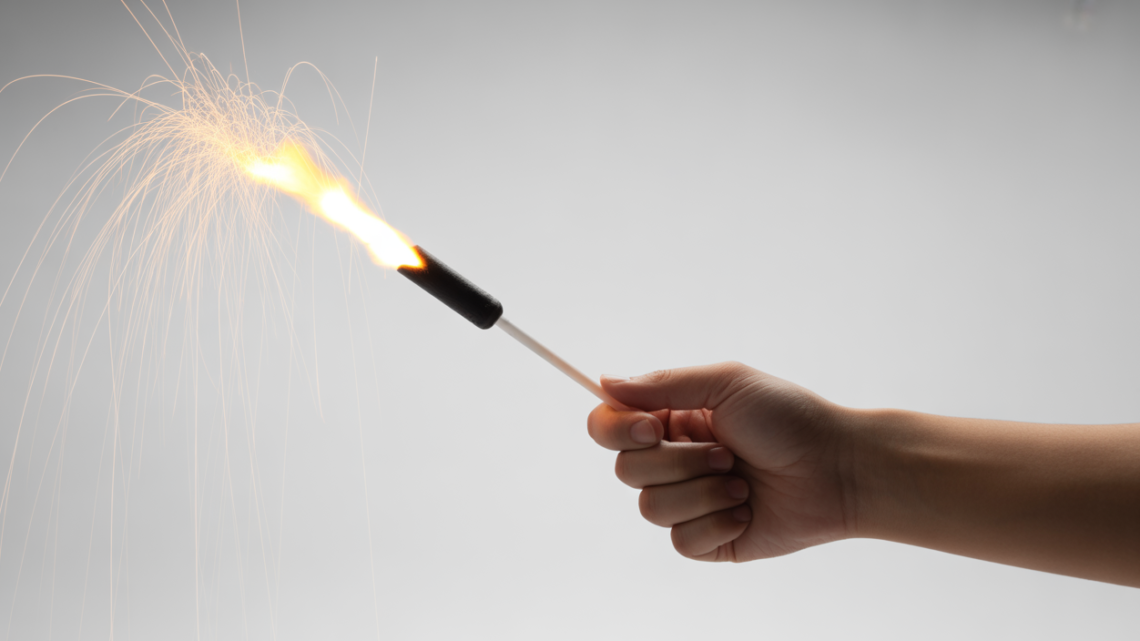
Portable flares are small, easy‑to‑carry distress flares used to signal danger or ask for help. They are designed to be seen from long distances, even in bad weather or at night. Most types fall into two broad groups: pyrotechnic and electronic.
1. Pyrotechnic (burning) flares
- Use a chemical reaction to create bright light and often sparks.
- Provide very intense brightness, visible for many kilometers.
- Come as handheld flares, rocket flares, or smoke flares.
2. LED or battery‑powered flares
- Use efficient LEDs to provide emergency illumination.
- Do not burn, so they stay cool and are safer to handle.
- Often waterproof and reusable, ideal as roadside warning flares or safety beacon lights.
For everyday use, many people now combine LEDs with a small number of traditional handheld flares, especially for marine and survival situations where very bright light is essential.
Where Are Portable Flares Used?
1. Roadside emergencies
When your car breaks down on a highway or ghat road at night, portable road flares can warn other drivers early. This reduces the risk of collisions and helps rescuers find you faster. LED road flares are popular here because they last long, are reusable, and can be placed around the vehicle as part of a roadside emergency kit.
2. Marine and boating use
On water, boat safety flares are often mandatory. They help ships, coast guards, or nearby boats see you from far away. Marine distress flares are usually brighter and designed to work even in windy, wet conditions.
3. Trekking, camping, and remote work
Outdoor enthusiasts, survey teams, and remote‑site workers use survival flares to mark their location when lost or injured. In dense forests or hilly terrain where phone networks can be weak, a vivid light or smoke signal is a powerful backup.
Key Features to Check Before You Buy
When you compare different options, focus on a few practical specifications rather than just price.
- Burn time or run time: How long the flare stays visible after activation.
- Brightness: Often measured in candela (for pyrotechnic) or lumens (for LED); higher means easier to see.
- Visibility range: Approximate maximum distance at which it can be seen.
- Shelf life: For burning flares, this is the “use by” date; after that, performance reduces.
- Durability: Water resistance, impact resistance, and temperature rating matter if you travel in extreme climates.
- Ease of activation: Some use match‑like ignition, others a pull string or button, which is simpler under stress.
For Indian investors who like to build robust emergency kits for family cars, holiday homes, or yachts, paying a little more for tested, durable options often brings strong long‑term value.
Legal and Safety Points to Keep in Mind
Laws for distress flares differ by country and by use (road vs marine). If you boat or drive abroad, always check local rules before travel.
- Marine regulations typically require a minimum number of approved flares on board.
- Some airports and airlines do not allow pyrotechnic flares in any luggage.
- Certain regions may treat flares like small explosives, so storage and transport rules apply.
Even if your local law does not force you to carry portable flares, they are a smart safety upgrade, especially on long highway routes or coastal trips.
How to Store and Maintain Portable Flares
Correct storage keeps your flares reliable for years and protects your other gear.
- Keep them in a cool, dry place, away from direct sunlight.
- Use a waterproof, clearly marked container so everyone in the family can find them quickly.
- For battery‑operated units, test them a few times a year and replace batteries before long trips.
Always check expiry dates on pyrotechnic flares. Once they cross this date, do not use them unless your local authority clearly allows it.
Safe Disposal of Expired Flares
Expired or used flares should never be thrown into regular household waste. They can still react and cause harm. Instead, check with your local fire department, harbour office, or waste authority about collection days for these items.
This small step keeps your home safer and protects the environment around you, which is especially important in crowded urban Indian settings.
Building a Balanced Emergency Kit
Portable flares work best as part of a complete emergency kit, not as a single item. For your car, consider pairing them with a reflective vest, first‑aid kit, drinking water, and a power bank. For marine or trekking use, add whistles, waterproof matches, and a strong torch.
If you enjoy practical, gear‑focused content, you may also like this guide on choosing a pocket knife for everyday carry, which covers how to pick compact tools that fit real‑world needs. For broader safety planning, resources such as getting the most out of battery‑powered LED lights can also help you design a reliable lighting setup at home or on the move.
Smart Tips for Indian Buyers and Investors
When you decide to invest in portable flares, think in terms of value, not only cost. Ask yourself three questions:
- Where will I use them most often: road, water, or wilderness?
- Do I need disposable pyrotechnic flares, reusable LED units, or a mix of both?
- How many units do I need for each vehicle or boat to feel confident?
By answering these, you can create a simple purchase plan and avoid buying random items that sit unused. For example, one set of battery‑operated roadside warning flares for each car, plus a few powerful marine distress flares if you sail, covers most situations.
FAQs on Portable Flares
Q1. How long do portable flares usually last?
Pyrotechnic handheld flares often have a burn time of a few minutes and a shelf life of 3–5 years from the manufacture date. LED or battery‑operated options can work for many hours on fresh batteries and may last for years if stored well and tested regularly.
Q2. Are LED road flares enough, or do I still need burning flares?
LED flares are excellent for everyday roadside safety, as they are reusable and easy to use. For strong long‑distance distress signaling, especially at sea or in very remote areas, many experts still recommend keeping at least a few traditional pyrotechnic flares as a backup.

Patricia Duarte was born in Sacramento, California Studied at University of San Francisco. Currently working as Author at Myfitv, Patricia Duarte helps readers learn the field of Marketing, Health, Education, Construction, Business etc hone their skills, and find their unique voice so they can stand out from the crowd.