Putting The Power Of Radiology Information Systems To Work
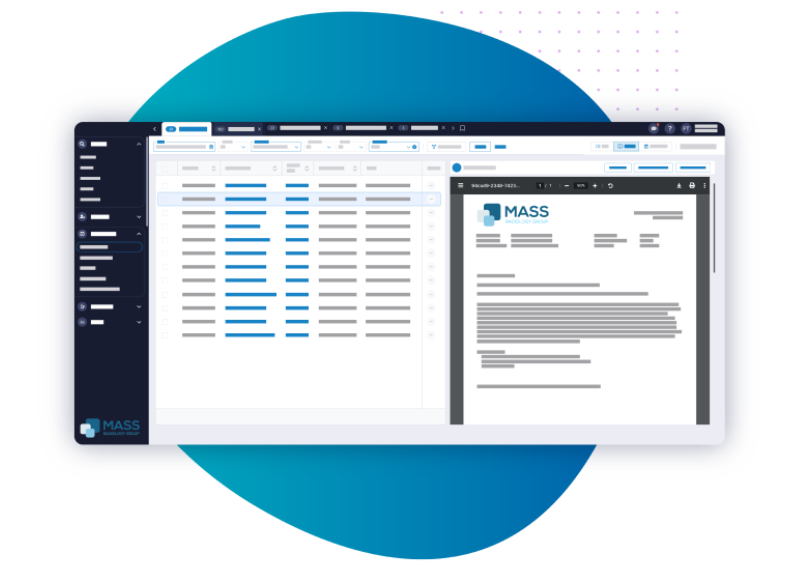
July 11, 2023Radiology Information Systems (RIS) have revolutionized the way radiology departments function, offering a comprehensive solution for managing patient information, scheduling, image acquisition, interpretation, and much more. By harnessing the power of RIS, healthcare facilities can streamline their radiology workflows and improve patient care outcomes. RIS provides a centralized platform that integrates various functions, allowing radiology teams to work more efficiently and effectively. From optimizing scheduling and appointment management to enhancing communication and collaboration, RIS plays a vital role in facilitating the smooth operation of radiology departments.
Optimizing Scheduling And Appointment Management With RIS
Efficient scheduling and appointment management are crucial for any radiology department. A radiology information system simplifies this process by automating appointment scheduling, resource allocation, and patient tracking. With RIS, radiology staff can easily access patient records, identify available slots, and schedule appointments accordingly. RIS also enables real-time updates, minimizing appointment conflicts and reducing wait times. Additionally, RIS can send automated reminders to patients, reducing no-show rates and optimizing resource utilization. By streamlining scheduling and appointment management, RIS improves patient satisfaction, enhances workflow efficiency, and ensures optimal utilization of resources.

How RIS Facilitates Image Acquisition And Interpretation?
A radiology information system plays a critical role in managing the imaging workflow, from image acquisition to interpretation. It acts as a central hub that allows radiology departments to capture, store, and retrieve images efficiently. RIS integrates with imaging modalities, enabling seamless transfer of images and associated patient information. This integration eliminates the need for manual data entry, reducing the risk of errors and enhancing productivity. Furthermore, RIS streamlines the interpretation process by providing radiologists with easy access to patient history, previous images, and clinical data. This comprehensive view enables more accurate and timely diagnoses, improving patient care outcomes.
Leveraging Decision Support Tools In RIS For Accurate Diagnosis And Treatment
A radiology information system offers decision support tools that aid radiologists in making accurate diagnoses and treatment decisions. These tools leverage machine learning algorithms and data analytics to analyze patient data, images, and relevant clinical information. By providing radiologists with evidence-based recommendations, RIS assists in detecting abnormalities, identifying potential diagnoses, and suggesting appropriate treatment options. This helps improve diagnostic accuracy, reduce errors, and enhance patient safety. Additionally, decision support tools in RIS enable standardized reporting and follow-up recommendations, ensuring consistent and high-quality care. By leveraging these tools, radiologists can make informed decisions, leading to better patient outcomes.
Enhancing Communication And Collaboration RIS As A Central Hub For Radiology Teams
A radiology information system serves as a central hub for communication and collaboration among radiology teams. It enables seamless information sharing and facilitates real-time collaboration, regardless of physical locations. Radiologists, technicians, referring physicians, and other stakeholders can access patient data, images, reports, and communication tools through the RIS interface. This promotes efficient and effective communication, allowing for quick consultations, second opinions, and interdisciplinary collaborations. RIS also enables secure messaging, eliminating the reliance on paper-based communication and minimizing the risk of miscommunication. By fostering improved communication and collaboration, RIS enhances the overall efficiency of radiology departments and promotes better patient care coordination.
The Power Of RIS In Quality Improvement
RIS plays a pivotal role in generating performance reports and analytics, offering valuable insights for quality improvement initiatives. It collects and analyzes data on various aspects of radiology operations, such as turnaround times, report accuracy, resource utilization, and patient outcomes. RIS generates comprehensive reports and analytics that help identify bottlenecks, highlight areas for improvement, and measure key performance indicators. By leveraging these insights, radiology departments can implement targeted interventions, optimize workflows, and enhance overall performance. RIS also facilitates benchmarking against industry standards and best practices, enabling continuous quality improvement efforts.
Safeguarding Patient Data In Radiology Information Systems
Safeguarding patient data in radiology information systems is paramount in ensuring privacy and maintaining trust in the healthcare industry. With the increasing digitization of medical records, it is crucial to implement robust security measures to protect sensitive information from unauthorized access or data breaches. Radiology information systems must adhere to strict data protection regulations, such as HIPAA, and employ encryption techniques, firewalls, and access controls to safeguard patient data. Regular security audits, employee training programs, and stringent authentication protocols are essential to prevent potential vulnerabilities. Additionally, employing secure backup and disaster recovery systems can mitigate the risk of data loss or corruption. By prioritizing the protection of patient data through comprehensive security measures, radiology information systems can uphold confidentiality, integrity, and trust, ultimately ensuring the well-being and privacy of patients.
Conclusion
Radiology Information Systems (RIS) have transformed the way radiology departments operate, providing comprehensive solutions for managing patient information, scheduling, image acquisition, interpretation, and more. RIS optimizes scheduling and appointment management, streamlines imaging workflow, leverages decision support tools for accurate diagnoses, enhances communication and collaboration among radiology teams, generates performance reports and analytics for quality improvement, and ensures compliance and security of patient data. By harnessing the power of RIS, healthcare facilities can enhance efficiency, improve patient care outcomes, and provide a secure and reliable platform for managing radiology operations.

Patricia Duarte was born in Sacramento, California Studied at University of San Francisco. Currently working as Author at Myfitv, Patricia Duarte helps readers learn the field of Marketing, Health, Education, Construction, Business etc hone their skills, and find their unique voice so they can stand out from the crowd.