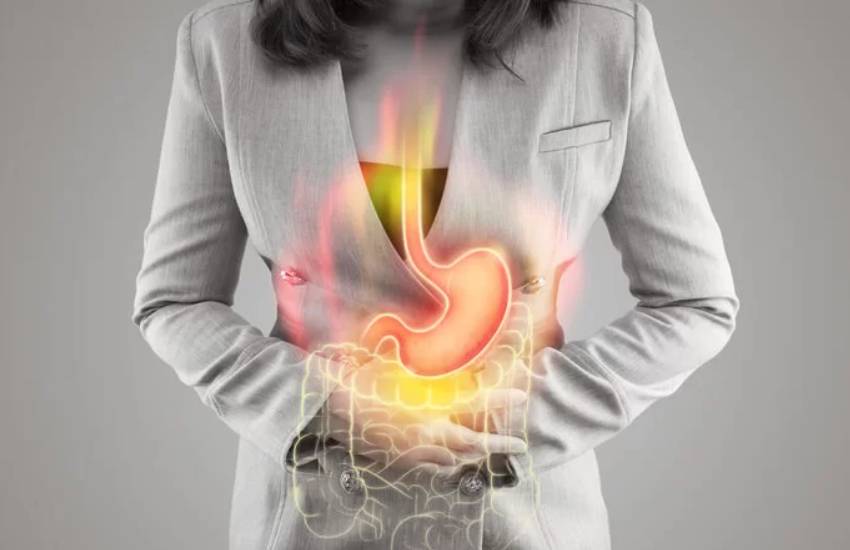
How To Support Your Digestive Health Through Nutrition?
February 14, 2023Good digestive health is essential for overall well-being. Poor digestion can not only lead to uncomfortable symptoms, but it can also contribute to a variety of health problems, including nutrient deficiencies, chronic inflammation, and even obesity. Fortunately, good digestive health can be supported through nutrition. Making sure you’re getting the right types of foods and nutrients can help keep your digestive system running smoothly. In this article, we’ll discuss the best nutrition strategies to support your digestive health. This includes which types of foods to eat, as well as which nutrients to focus on. We’ll also discuss how to make sure you’re getting enough fiber, as well as other tips for improving your digestive health.
Eat More Fiber-Rich Foods
Eating fiber-rich foods is one of the most important things you can do for your digestive health. Digestive health nutritionist can help individuals develop healthy eating plans to improve their digestive health and overall well-being. Fiber helps keep your digestive tract running smoothly by providing food for the beneficial bacteria that live in your gut. It also helps keep your stool soft and regular, which can reduce your risk of developing constipation and other digestive problems. Aim for 25–30 grams of fiber per day from a variety of sources, such as vegetables, fruits, whole grains, legumes, nuts, and seeds. Fiber is essential for the health of your digestive system. It helps keep your digestive system functioning by promoting regularity and providing nourishment for beneficial bacteria that live in your gut. Aim to include plenty of fiber-rich foods in your diet like fruits, vegetables, nuts, seeds, legumes, and whole grains.
Water is important for keeping your digestive system functioning properly. It helps break down food and move it through your intestines. Aim to drink 8-10 glasses of water a day. Additionally, you should also include other fluids like herbal teas and low-sugar fruit juices.
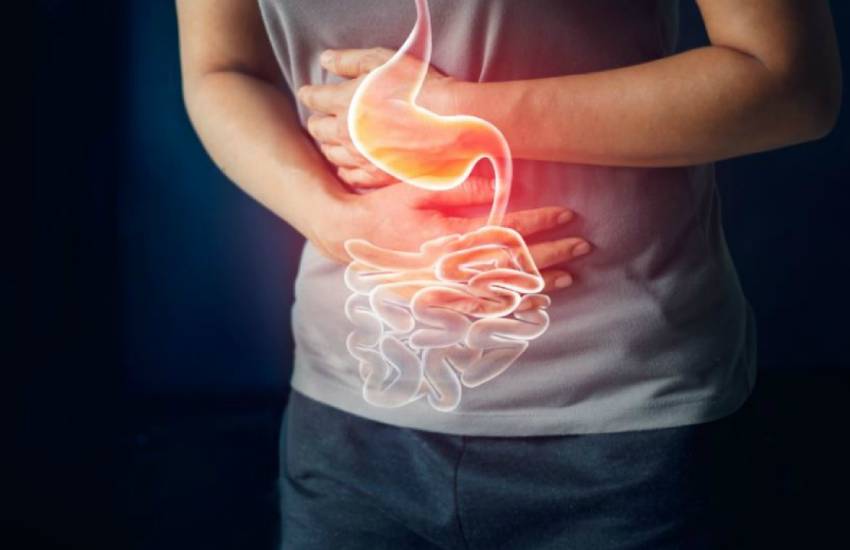
Avoid Processed Foods And Refined Sugars
Processed foods are typically low in fiber and contain a lot of unhealthy fats, refined carbohydrates, and added sugars, which can be detrimental to your digestive health. These foods are also highly processed and stripped of important nutrients, which can lead to digestive disturbances. It’s best to avoid them and focus on eating whole, unprocessed foods instead. Refined sugars should also be avoided as much as possible because they can cause an imbalance in gut bacteria and lead to digestive issues.
Include Fermented Foods In Your Diet
Fermented foods are a great source of beneficial probiotic bacteria that can help support your digestive health. Examples of fermented foods include yogurt, kefir, kimchi, sauerkraut, and kombucha. Eating fermented foods on a regular basis can help promote the growth of beneficial bacteria in your gut, which can improve digestive health and reduce your risk of digestive issues.
Consider Taking Digestive Enzymes
Digestive enzymes can be helpful for people with digestive issues, such as irritable bowel syndrome (IBS), Crohn’s disease, and ulcerative colitis. Digestive enzymes are supplements that help break down food so your body can absorb the nutrients. They can also help improve digestion, reduce bloating and gas, and improve overall digestive health. If you have digestive issues, talk to your doctor about whether taking digestive enzymes is right for you.
Digestive enzymes are natural proteins found in the body that are essential for breaking down food into small particles that can be absorbed and utilized by the body. Taking a digestive enzyme supplement can help support your digestive health by aiding in the digestion of food. These supplements are available in capsule, tablet, and powder form. In addition to helping your body break down food, digestive enzymes can also help reduce gas, bloating, and discomfort associated with digestive issues.
Avoid Eating Too Close To Bedtime
Eating too close to bedtime can cause digestive issues, such as indigestion, heartburn, and acid reflux. It’s best to wait at least two hours after eating before going to bed. This gives your body time to digest the food and can help reduce your risk of digestive issues. Additionally, avoid lying down after eating and instead stay in an upright position to help your body digest food more efficiently.
Eating too close to bedtime can lead to a range of digestive issues, such as indigestion, heartburn, and acid reflux. Eating close to bedtime can cause food to remain in the stomach for an extended period of time, leading to fermentation and the production of acids that can irritate the stomach and esophagus. To help support your digestive health, it is best to avoid eating at least two hours before bedtime.
Conclusion
In conclusion, supporting your digestive health through nutrition is an important step in maintaining a healthy lifestyle. Eating a balanced diet, limiting processed foods, and avoiding excessive alcohol consumption are all important factors in managing your digestive health. Additionally, eating probiotic-rich foods and drinking plenty of water can help to maintain a healthy gut microbiome. Taking time to understand the components of nutrition and how they can support digestive health can help to ensure that you are getting the nutrients you need from your diet.

Patricia Duarte was born in Sacramento, California Studied at University of San Francisco. Currently working as Author at Myfitv, Patricia Duarte helps readers learn the field of Marketing, Health, Education, Construction, Business etc hone their skills, and find their unique voice so they can stand out from the crowd.