Get Ready for Spring: Setting Up Galvanized Raised Beds
March 4, 2023As spring approaches, gardening enthusiasts and novices alike are gearing up for the planting season, and one popular choice for creating a productive and aesthetically pleasing garden is setting up galvanized raised beds. Galvanized raised beds offer a practical and versatile solution for growing plants, flowers, and vegetables. These raised beds are constructed using galvanized steel, which is highly durable and resistant to rust, ensuring longevity and low maintenance. In this comprehensive guide, we will explore various aspects of setting up galvanized raised beds, from construction methods and benefits to planting tips, maintenance, and troubleshooting common issues. Whether you are an experienced gardener or a first-time planter, this guide will help you make the most of your spring gardening with galvanized raised beds.
How To Make Galvanized Raised Beds?
Creating galvanized raised beds is a straightforward and rewarding DIY project. The first step involves selecting the location for the raised beds, considering factors like sunlight exposure, drainage, and accessibility. Next, gather the necessary materials, including galvanized steel panels, corner brackets, and appropriate tools like a saw, drill, and screws. Assemble the raised beds by cutting the galvanized steel panels to the desired size, attaching them to the corner brackets, and securing the structure firmly. Some gardeners may prefer to add a layer of landscape fabric or cardboard at the bottom to prevent weed growth. Filling the beds with high-quality soil, compost, and organic matter is essential for providing a nutrient-rich environment for plant growth.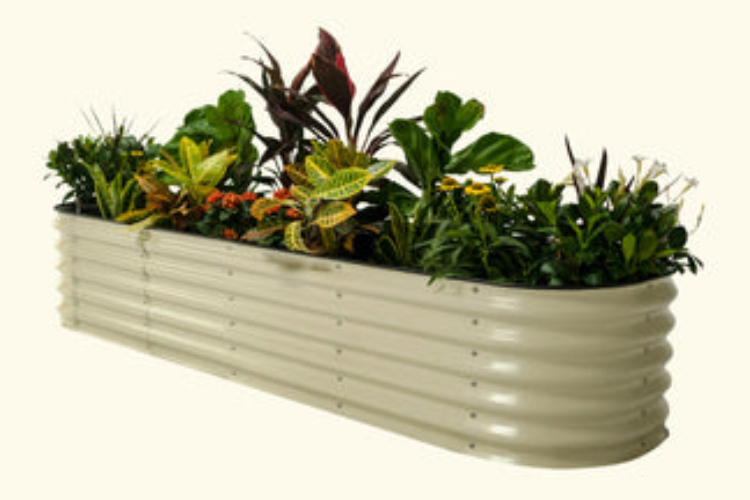
Benefits Of Using Galvanized Raised Beds
Galvanized raised beds offer a range of advantages for gardeners. Firstly, the galvanized steel material ensures that the beds are sturdy, durable, and resistant to rust, making them suitable for long-term outdoor use. The raised design allows for better soil drainage and aeration, preventing waterlogging and root rot. Additionally, the elevated height reduces strain on the gardener’s back and knees during planting, weeding, and harvesting. Galvanized raised beds are also aesthetically pleasing and can complement various garden styles, adding a modern touch to any outdoor space. Furthermore, these beds create a well-defined planting area, making it easier to organize and manage different crops and varieties.
Tips For Planting In Galvanized Raised Beds
Planting in galvanized raised beds requires some consideration to ensure optimal growth and yield. One crucial tip is to choose the right plants that are suitable for raised bed gardening. Opt for crops that have shallow root systems and thrive in well-draining soil. Mixing different plant heights and types can create an attractive visual arrangement. Adequate spacing between plants is essential to allow proper air circulation and minimize competition for nutrients and sunlight. Regular watering and mulching help retain moisture and reduce weed growth. Gardeners can also consider using trellises or stakes for climbing plants to maximize vertical space and improve access to sunlight.
Different Types Of Galvanized Raised Beds
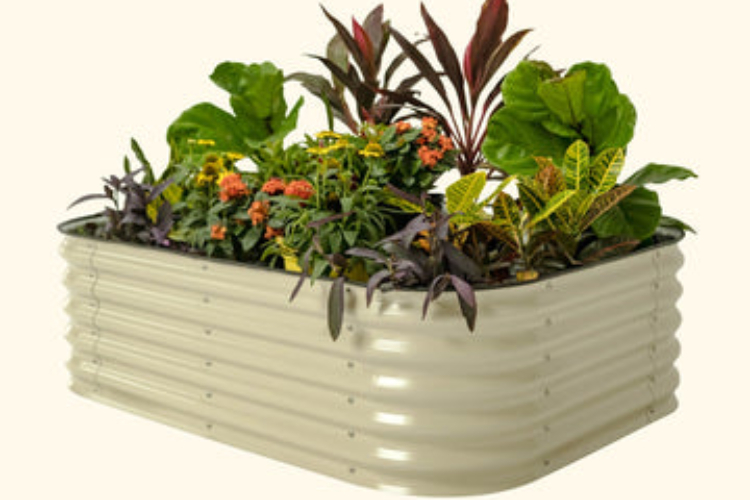
Galvanized raised beds come in various shapes, sizes, and styles to cater to different garden preferences and space constraints. The classic rectangular design is popular for its versatility and ease of construction. Circular or oval-shaped raised beds add a unique focal point to the garden and allow for interesting planting layouts. Tiered or multi-level raised beds are an excellent option for sloped landscapes, providing a terraced effect and enabling various microclimates. Additionally, galvanized raised beds can be combined with other materials, such as wood or stone, to create visually appealing and functional garden features.
Essential Tools And Materials For Galvanized Raised Beds
To set up galvanized raised beds successfully, having the right tools and materials is essential. The primary material, galvanized steel, is available in various thicknesses and sizes, depending on the intended height and dimensions of the beds. Corner brackets or connectors ensure the stability of the raised bed structure. A saw, drill, and screws are essential tools for cutting and assembling the galvanized steel panels. For filling the raised beds, high-quality soil, compost, and organic matter are necessary to provide a fertile growing medium. Additionally, gardening gloves, a shovel, a rake, and a watering can or hose make planting and maintenance tasks more manageable.
Care And Maintenance Of Galvanized Raised Beds
Proper care and maintenance are crucial for ensuring the longevity and productivity of galvanized raised beds. Regularly inspect the beds for signs of rust or corrosion, especially at the joints and edges. If any rust is spotted, address it promptly by cleaning the affected area and applying a suitable rust-resistant paint or coating. Avoid using chemicals or fertilizers that can accelerate corrosion. To improve soil fertility, add compost and organic matter annually and rotate crops to prevent nutrient depletion. Regular weeding and pruning keep the garden tidy and prevent competition for resources. Additionally, regular watering and monitoring for pests and diseases are vital for healthy plant growth.
Choosing The Right Plants For Galvanized Raised Beds
Selecting the appropriate plants for galvanized raised beds is essential for maximizing productivity and overall garden success. Herbs, lettuces, radishes, and other shallow-rooted vegetables are ideal choices for these beds. Compact and dwarf varieties of fruits and vegetables work well in limited spaces. Consider companion planting to create beneficial relationships between plants, such as planting marigolds to deter pests or growing beans to enrich the soil with nitrogen. Research the specific needs and growth requirements of each plant to ensure they are compatible with the conditions provided by the raised beds.
Troubleshooting Common Issues With Galvanized Raised Beds
Despite their benefits, galvanized raised beds may face some challenges that gardeners need to address. One common issue is poor drainage, which can lead to waterlogged soil and root rot. In such cases, amending the soil with perlite or vermiculite can improve drainage. Another challenge is overheating of the metal in hot climates, which can stress the plants. Using light-colored or reflective mulches and providing shade during peak heat can mitigate this problem. Gardeners should also be vigilant for signs of pests and diseases and take timely action to prevent infestations from spreading. Proper crop rotation and practicing good hygiene in the garden help manage these issues effectively.
Conclusion
As spring beckons, the prospect of setting up galvanized raised beds opens up exciting possibilities for gardeners. The durable and aesthetically pleasing nature of galvanized raised beds, coupled with their practical advantages, makes them an excellent choice for creating a productive and visually appealing garden space. Armed with the knowledge of how to construct the beds, select suitable plants, and maintain them effectively, gardeners can look forward to a bountiful and successful growing season. Whether you’re a seasoned gardener or just starting on your horticultural journey, galvanized raised beds offer a rewarding and enjoyable gardening experience throughout the spring and beyond.

Patricia Duarte was born in Sacramento, California Studied at University of San Francisco. Currently working as Author at Myfitv, Patricia Duarte helps readers learn the field of Marketing, Health, Education, Construction, Business etc hone their skills, and find their unique voice so they can stand out from the crowd.