LED Lighting for Model Trains: A Complete Guide for HO, N, and O Scale Layouts
April 9, 2026Model railroading is one of the most popular and enduring hobbies in the world—and for good reason. A well-built layout transports viewers into a living, breathing miniature world. But even the most beautifully weathered locomotives and hand-painted scenery fall short of their potential without proper lighting. Today’s LED technology makes it easier than ever to add realistic, long-lasting illumination to any scale model train layout.
Why LED Lighting Has Replaced Incandescent Bulbs in Model Railroading
Traditional incandescent bulbs were the standard in model train lighting for decades, but they come with significant drawbacks: they run hot, burn out quickly, draw substantial current, and their warm-orange glow can look unnatural in certain applications. LEDs solve all of these problems simultaneously.
LEDs produce negligible heat, last tens of thousands of hours under normal use, draw a fraction of the current of incandescent alternatives, and come in a range of color temperatures from warm white (simulating tungsten bulbs) to daylight (ideal for fluorescent office or factory scenes) to cool blue (perfect for nighttime or modern facility lighting).
Scale-Specific Lighting Considerations
The scale of your layout determines which LED sizes and configurations work best:
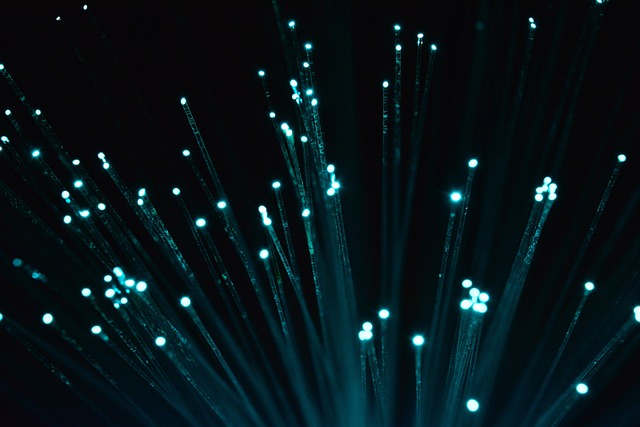
- N scale (1:160): Ultra-fine 0402 SMD LEDs or fiber optic terminations. Space is extremely limited, so pre-wired micro LEDs on magnet wire are almost essential.
- HO scale (1:87): The most popular scale offers the best balance of detail and workability. 0603 SMD LEDs and some 1.8mm through-hole LEDs fit naturally into structures and vehicles.
- O scale (1:48) and larger: 3mm through-hole LEDs are practical for most applications; consider LED strips for large interior spaces like warehouses or station platforms.
Regardless of scale, battery operated LED lighting solutions designed for hobby use offer the flexibility to power remote areas of a layout without running additional track bus wiring.
Lighting Locomotives and Rolling Stock
Locomotive lighting falls into two categories: headlights (directional) and interior cab/passenger car lighting.
Headlights should be directional—facing forward on the front and backward on the rear—and ideally switch direction with the locomotive’s travel direction. In DCC systems, this is handled by the decoder. In DC analog systems, a simple diode bridge circuit can achieve the same result.
Passenger car lighting typically uses LED strips or multiple small LEDs running along the ceiling of the car interior. Warm-white LEDs at low current give the impression of lit compartments without overwhelming the scene. Adding a flickering effect to some cars (simulating older fluorescent lights) adds realistic variation.
Structure and Scenery Lighting
Some of the most impactful lighting effects on a model railroad layout come not from the trains themselves but from the scenery:
- Buildings: Interior LEDs in homes, factories, and commercial buildings bring a layout to life after dark. Using warm white for residential and cool white or white-blue for industrial buildings creates realistic variation.
- Street lighting: LED-tipped lampposts along Main Street or a yard entry road immediately elevate realism. Pre-made lamp posts with integrated LEDs are widely available in HO and N scale.
- Yard and engine facility lighting: Flood lights, high-intensity LEDs on overhead poles, and lit facilities give operational scenes a realistic depth even under room lighting.
- Grade crossings: Flashing red LED warning lights at crossings, synchronized to train detection sensors, add both realism and interactive interest.
Power Strategies for Layout Lighting
For DCC layouts, most decoder-controlled LEDs draw power from the track bus, which is straightforward and easily managed. For lighting that runs independently of track power—structures, street lights, yard lighting—a separate regulated DC power supply is the cleanest solution.
For portable modules or small layouts that need to work without a fixed power source, quality battery-powered hobby LEDs connected to a compact battery pack are an excellent choice. A pack of 4 AA batteries (6V) run through a simple voltage regulator to 5V can power dozens of structure LEDs for many hours on a single charge.
Getting the Most from Your Layout Lighting
Plan your lighting zones before laying track or scenery. Consider day/night operation modes using a timer or manual switch. Use different color temperatures in different areas for visual variation. And most importantly, test every light before sealing it into a structure or under scenery—access after the fact is nearly impossible without major surgery to your layout.
With thoughtful planning and quality LED components, your model railroad layout can be just as impressive with the room lights off as it is in full daylight. The trains are just the beginning—the lighting is what makes it a world.

Patricia Duarte was born in Sacramento, California Studied at University of San Francisco. Currently working as Author at Myfitv, Patricia Duarte helps readers learn the field of Marketing, Health, Education, Construction, Business etc hone their skills, and find their unique voice so they can stand out from the crowd.