
Why You Need a Modern Construction Project Management Platform
March 23, 2026What is a construction project management platform and why does it matter?
If you handle construction projects in India today, you already know how fast things move. Clients want faster delivery, tighter budgets, and full transparency. A modern construction project management platform helps you handle all this from one place instead of juggling phone calls, paper files, and scattered spreadsheets.
In simple words, it is a digital control room for your sites. It connects planning, budgeting, drawings, site updates, and client communication. For Indian contractors and real estate developers, it can reduce chaos, cut rework, and protect already thin margins.
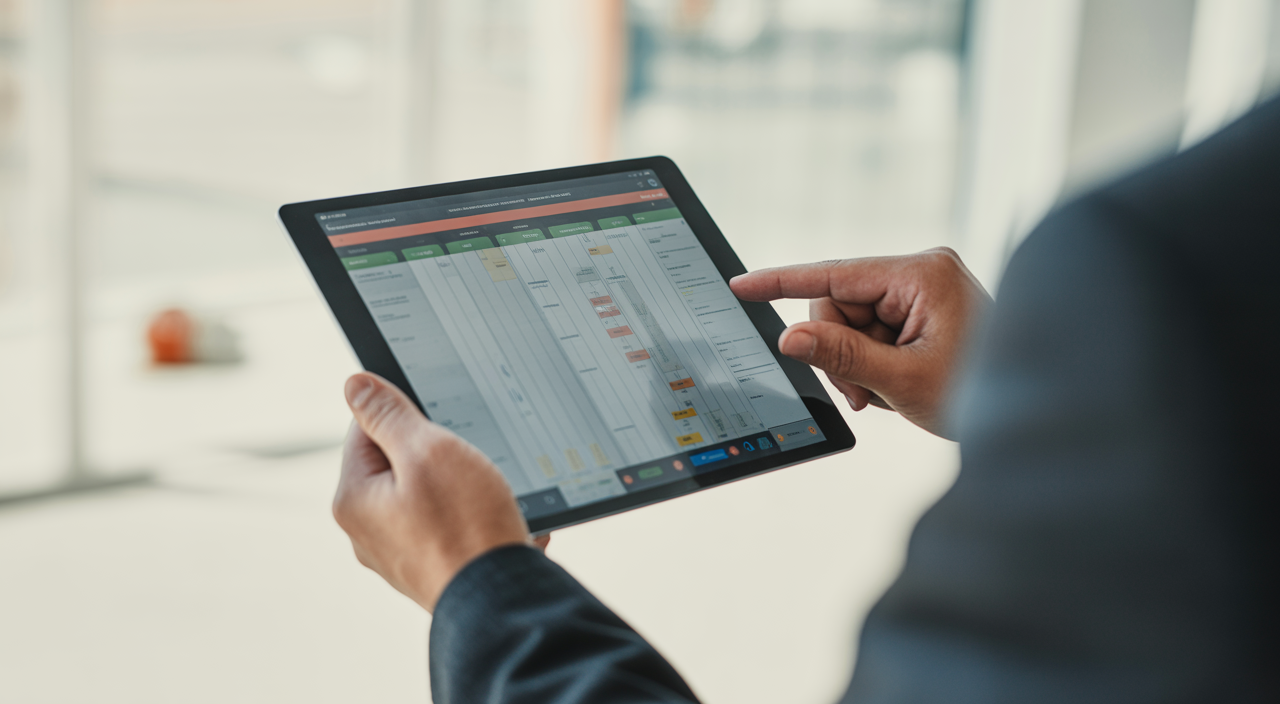
Used well, this type of platform turns everyday project data into clear decisions. You see problems early, take action quickly, and deliver with confidence.
Key benefits for Indian contractors and investors
India’s construction market is busy and price sensitive. Material costs shift, labour is hard to retain, and delays can quickly eat profit. A strong construction software platform helps by:
- Improving visibility: One dashboard shows progress across all sites, even if they are in different states.
- Controlling costs: Live budget tracking highlights slippages before they hit your bottom line.
- Speeding approvals: Digital approvals for drawings, variations, and bills cut waiting time.
- Reducing disputes: Every decision and drawing is time stamped and stored as proof.
For investors, this level of control lowers risk. Projects stay closer to schedule, and cash flow is more predictable.
Core features to look for in a platform
Not all tools are equal. When you evaluate options, focus on features that solve real problems on Indian sites.
1. Real-time scheduling and resource planning
Look for a project scheduling tool that shows tasks, dependencies, and milestones clearly. Simple Gantt charts make it easy to spot bottlenecks. You should be able to move tasks, assign teams, and instantly see the impact on completion dates.
For India, where rain, permits, and local issues can change plans overnight, flexible scheduling is vital. A few clicks should be enough to re-plan the week and alert everyone affected.
2. Budget tracking and forecasting
A good platform acts as a budget forecasting tool as well. It should track estimated versus actual cost for labour, materials, and subcontractors. When prices rise or scope changes, you see the effect on profit immediately.
For investors who fund multiple projects, strong financial dashboards help them compare returns and spot under-performing sites early.
3. Document and drawing management
Paper drawings on site get dirty, lost, or outdated quickly. With a digital jobsite document management system, your teams always see the latest version. Old versions stay archived, so you can check history when needed.
Mark-ups, site photos, and notes should be easy to pin on drawings. This reduces confusion for engineers, contractors, and quality teams.
4. Mobile app with offline sync
Good connectivity is not guaranteed on every Indian jobsite. Your platform should work smoothly on mobile phones and tablets, even when the network drops. Site teams can capture data offline and sync it once they are back online.
This kind of field communication software keeps supervisors, safety officers, and quality engineers aligned without forcing them to return to the site office after every round.
5. Integrations with your existing tools
Most growing firms already use some accounting or ERP systems. Choose a project collaboration solution that connects with them. This reduces manual data entry and mistakes.
Integration with email, customer portals, and even BIM collaboration tools is a plus. It keeps all your data flowing into one central place.
6. Analytics and smart alerts
Modern platforms use data to warn you about risk. For example, if a certain trade is consistently late, or a supplier often delays deliveries, the system can flag it. You can then adjust your plan or negotiate better terms.
Even simple reports such as “delayed tasks this week” or “top cost overruns” help managers take smarter, faster decisions.
Practical tips for Indian investors evaluating platforms
When you shortlist solutions, do not just look at features on paper. Use these simple checks to judge real-world fit.
- Check language and training support: Is there on-boarding in easy English and local languages your teams can follow?
- Test on low-cost phones: Many field staff may not have high-end devices. The mobile app should still run smoothly.
- Review data hosting: Confirm where your data is stored and how backups are handled for long-term projects.
- Ask for local case studies: Results from firms working in climates and regulatory systems similar to India are more meaningful.
If you are new to digital tools, resources like this guide on building cloud-based applications for business can help you understand the basics of cloud technology and data storage.
How a platform supports different stakeholders
The best construction project management platform keeps all stakeholders aligned, from site to boardroom.
- Owners and investors: Get clear dashboards on timelines, cash flow, and risk, without needing daily calls.
- Project managers: Plan work, assign tasks, handle change orders, and track progress in one system.
- Site engineers and supervisors: Receive tasks, upload photos, fill checklists, and report issues directly from the field.
- Clients: See selected updates, approvals, and handover documents in a neat digital record.
This shared view reduces arguments and keeps relationships positive, which is especially important in repeat business markets like Indian real estate and infrastructure.
Steps to successfully adopt a platform
Technology delivers value only when people use it fully. A few simple steps can make adoption smooth.
- Start with one pilot project: Pick a medium-sized site and roll out the software there first.
- Train in short, focused sessions: Teach different roles only what they need, in simple language.
- Set clear rules: For example, “All RFIs only through the platform” or “No paper checklists after this date.”
- Measure results: Track fewer delays, reduced rework, or faster billing cycles as proof of value.
- Scale across the portfolio: Once the pilot is stable, extend the same workflows to your other projects.
To sharpen your overall project planning mindset, you might also like this article on writing a business plan that speaks to investors, which pairs well with digital planning tools in construction.
FAQs on construction project management platforms
1. Is a platform useful for smaller builders and subcontractors?
Yes. Smaller teams benefit a lot because one person often wears many hats. Even a basic digital construction tool that manages tasks, drawings, and simple budgets can free up hours each week. As your business grows, you can unlock more advanced modules instead of changing systems later.
2. How quickly can an Indian firm expect a return on investment?
It depends on project size and how actively you use the system. Many firms see clear benefits within 6 to 12 months, such as faster billing cycles, fewer disputes, and less rework. For investors managing multiple projects, the combined savings and better control over risk often justify the cost quite early.
3. What if my team is not comfortable with technology?
Look for a platform with a clean, simple interface and strong training support. Start with basic features and only introduce advanced tools once everyone is comfortable. Short video lessons, in-app tips, and local-language material can help your team gain confidence quickly.
4. Is data stored in a platform safe?
Reputable providers use encryption, access control, and regular backups to protect your information. During your evaluation, ask about security certifications and data recovery plans. In many cases, your project data is actually safer in a secure cloud system than in paper files or local hard drives.

Patricia Duarte was born in Sacramento, California Studied at University of San Francisco. Currently working as Author at Myfitv, Patricia Duarte helps readers learn the field of Marketing, Health, Education, Construction, Business etc hone their skills, and find their unique voice so they can stand out from the crowd.