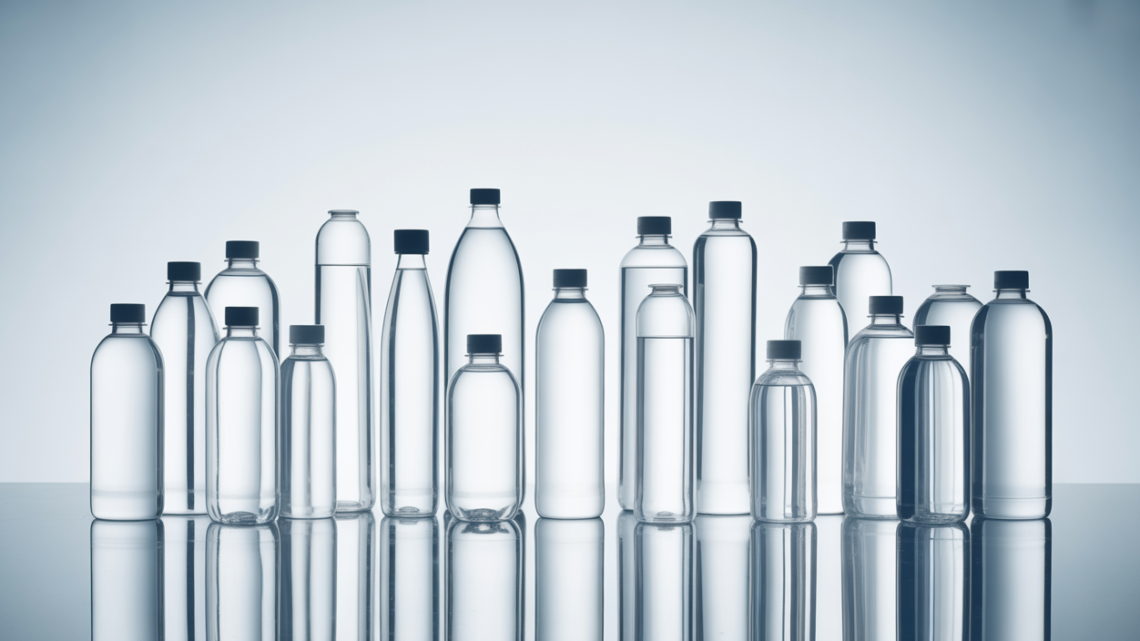
How Do You Choose the Right PET Bottles Manufacturer in India?
March 4, 2026If you are sourcing bottles for beverages, cosmetics, pharma, or home care products, your choice of supplier can make or break your brand. The right pet bottles manufacturer India partner gives you consistent quality, smooth deliveries, and strong compliance support, all at a competitive cost.
This guide walks you through what actually matters while choosing a supplier in India. You will learn how the bottles are made, which certifications to ask for, what affects pricing, and how to compare offers like a seasoned procurement manager.

Use it as a checklist when you talk to suppliers or visit a PET bottling plant in any part of India.
Understanding PET Bottle Manufacturing
PET stands for Polyethylene Terephthalate. It is a lightweight, strong, and clear plastic that is widely used for food and beverage packaging. When you hear “food grade PET bottles,” it simply means the material and process are safe for direct contact with food and drinks.
Many Indian plants now also work with rPET, which is recycled PET. rPET helps reduce waste and supports sustainable PET packaging, while still meeting strict safety norms when processed correctly.
The Basic Plastic Bottle Manufacturing Process
Most suppliers in India use a PET bottle blow molding process. The journey usually follows these steps:
- Step 1 – Resin selection: Virgin PET resins, and sometimes rPET, are sourced from approved vendors. Good manufacturers keep batch records for full traceability.
- Step 2 – Preform making: The resin is melted and injected into molds to create PET preforms. These look like thick test tubes and are easier to ship and store.
- Step 3 – Blow molding: Preforms are heated and then blown into final bottle shapes using high-pressure air. This is where design, capacity, and neck size are set.
- Step 4 – Testing & packing: Bottles are checked for weight, leakage, clarity, and strength before being packed and sent to clients.
As a buyer, understanding this simple flow helps you ask sharper questions about cycle times, mold changes, and what is possible with custom PET bottle design.
Quality Control & Certifications You Should Expect
A reliable pet bottles manufacturer India will not only show you products, but also paperwork. Some key points to verify:
- Food-contact compliance: Check that bottles meant for food or beverages comply with relevant standards. Ask for test reports from accredited labs.
- BIS & other approvals: For Indian markets, BIS-related guidelines are important. For export PET bottles, clients may also need other international compliance documents.
- Process control: Look for basic process records such as batch numbers, weight checks, and visual inspection logs. This proves consistency across large runs.
Even simple quality systems can protect your brand from issues like leaky caps, hazy bottles, or uneven weight that affects filling lines.
Key Factors to Evaluate in an Indian PET Bottle Manufacturer
1. Production Capacity & Lead Times
Start with your demand plan. How many bottles do you need per month, and how will this grow over the next 12 to 18 months?
- Ask for the supplier’s installed capacity in bottles per day or per month.
- Check typical lead times for new and repeat orders.
- Discuss peak season strategies for beverages, health drinks, or festive product launches.
A partner that can scale with you avoids last-minute emergencies and helps you maintain stable inventory.
2. Customization Capabilities
In crowded retail shelves, your bottle shape and color are part of your brand identity. While standard designs are cheap and quick, a good supplier should support custom PET bottle design for serious volumes.
- Design support: Ask if they have an in-house design team or tie-ups with packaging designers.
- Mold development: Clarify who pays for the PET bottle mold manufacturer charges and what the lead time is.
- Decoration options: Discuss labels, shrink sleeves, printing, and embossing possibilities.
Even small design tweaks, like grip patterns or neck finish, can improve usability for your end customer.
3. Sustainability Practices
More Indian consumers are paying attention to the environmental impact of packaging. This is a good chance for your brand to stand out.
- Check if the supplier uses or offers rPET in certain product lines.
- Ask about energy-efficient machines, water recycling, and waste handling.
- Discuss how they can support your sustainability communication on labels or marketing material.
For inspiration on eco-friendly product decisions in general, you can explore topics like industrial waste recycling benefits for businesses, which align with a broader green strategy.
4. Pricing Structure & MOQ Transparency
Pricing in PET bottles is influenced by resin costs, design complexity, color masterbatch, mold investment, and order size.
- Ask for a clear price breakdown by volume slab.
- Confirm minimum order quantity (MOQ) for each bottle type.
- Clarify any one-time costs like mold development and artwork setup.
For growing Indian brands, a supplier willing to offer reasonable MOQs and step pricing allows you to test new SKUs without locking too much capital in packaging stock.
Top Use Cases for Indian PET Bottles
Most buyers fall into three broad categories, each with its own needs:
- Beverage & FMCG: Light-weighting helps save resin cost and shipping, while still maintaining strength. Neck finish must fit existing caps and filling lines.
- Pharma & nutraceuticals: Here, precision and traceability are crucial. You need tight dimensional control and clear documentation.
- Cosmetics & personal care: Attractive shapes, colors, and high clarity matter. Good suppliers can offer matching caps to create a complete look.
Ask your shortlisted manufacturers for sample case studies that match your segment. This shows how their solutions worked in real projects.
Trending Innovations in PET Packaging
To future-proof your packaging, discuss these trends with your supplier:
- Lightweight bottles: Optimized wall thickness can save material without reducing performance.
- Smart packaging: Some brands now add QR codes or simple security features on labels and closures.
- Improved barrier properties: Special coatings and additives help protect sensitive products like juices or oils.
Choosing a forward-looking supplier helps you respond quickly when you launch premium lines or export-focused products.
How to Get a Quote & Move Ahead Smoothly
Before you send an inquiry, prepare a short but clear brief. Include:
- Bottle capacity (in ml or liters) and approximate monthly quantity.
- Product type (water, oil, syrup, cosmetic, etc.).
- Neck size, cap requirements, and any special features.
- Target launch date and preferred delivery location.
You can also keep a simple checklist for supplier evaluation covering capacity, compliance, customization, pricing, and sustainability. For more on building strong vendor relationships, business owners often find value in guides such as optimising warehouse storage systems for smoother logistics.
Once you shortlist a pet bottles manufacturer India that fits your needs, ask for samples, trial runs if required, and then lock in a formal supply agreement with clear service levels.
FAQs
Q1. Can I start with small batches when working with a PET bottle manufacturer in India?
Many manufacturers offer flexible MOQs, especially if you choose standard bottle designs. For custom molds, they may ask for higher starting volumes to cover tooling costs. Discuss your growth plan openly so they can suggest the most economical option for you.
Q2. What is the usual lead time for bulk PET bottle orders?
For repeat orders of standard bottles, lead times can be as short as one to two weeks, depending on capacity and season. For new custom designs with fresh molds, you should factor in development time, which can extend the first delivery to several weeks. Confirm timelines in writing before you finalise your launch schedule.
Q3. How do I ensure the PET bottles are safe for food and beverages?
Always ask for test certificates from recognised labs that confirm food-contact safety. Check that the manufacturer uses approved virgin PET resins or properly certified rPET, and review their internal hygiene and quality control procedures. Regular audits and random testing of batches will help you maintain long-term confidence in the packaging you use.

Patricia Duarte was born in Sacramento, California Studied at University of San Francisco. Currently working as Author at Myfitv, Patricia Duarte helps readers learn the field of Marketing, Health, Education, Construction, Business etc hone their skills, and find their unique voice so they can stand out from the crowd.