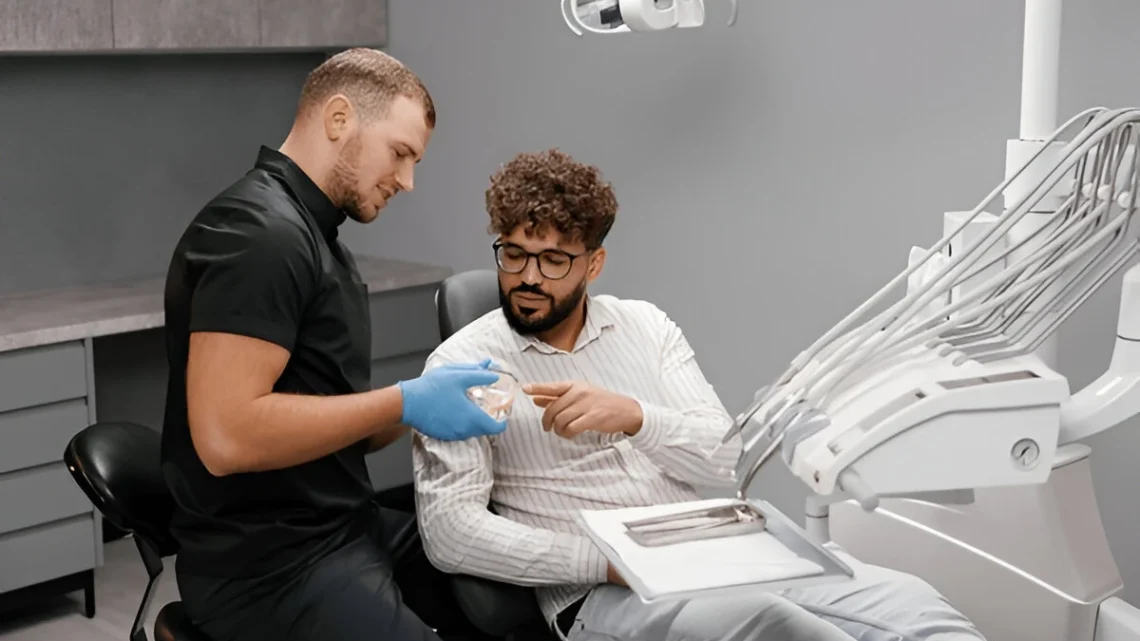
Is Aspen Dental a Scam? Or Is Something Else Driving That Perception?
December 26, 2025People do not usually use the word “scam” casually. It shows up when frustration turns into suspicion and when an experience feels misleading rather than merely disappointing.
When someone asks “is Aspen Dental a scam,” they are rarely alleging fraud in a legal sense. More often, they are trying to understand what just happened to them. This question sits in the uncomfortable space between intent and outcome, where people cannot tell whether a negative experience was bad luck, poor communication, or something more systematic.
That uncertainty appears in patient reviews. It also appears in accounts from people who worked with Aspen Dental in a professional capacity. The contexts are different. The feeling is similar.
Why patients reach for the word “scam”
Most patient experiences begin without suspicion.
Appointments are booked normally. Clinics appear professional. Initial conversations feel reassuring. Nothing about the early interaction signals deception.
The word “scam” enters the picture later, when patients feel that the situation they agreed to does not match how it was initially presented. Treatment plans expand quickly. Urgency appears without enough explanation. Alternatives feel minimized or absent.
In Trustpilot reviews from December 2025, patients describe these moments clearly. One recounts nearly committing to an expensive orthodontic treatment during what began as a routine visit, only to later learn from an independent specialist that the treatment was unnecessary. Another describes repeated visits for denture issues that were never fully resolved, alongside additional costs and limited clarity.
In both cases, the feeling of being “scammed” did not come from the first recommendation. It came from realizing afterward that the situation might have been framed in a way that pushed them toward a decision they did not fully understand.
That does not prove deception. It explains why the word gets used.
These are anonymous reviews, readers can visit Aspen Dental’s Trustpilot profile for complete reviews for more clarity.
Why “scam” is about perception, not proof
Calling something a scam is often a way to express uncertainty.
People use it when:
- The explanation they received no longer feels complete
- The outcome differs sharply from expectations
- They cannot tell whether the experience was accidental or structural
In these moments, trust gives way to doubt. Not because someone has evidence of wrongdoing, but because they feel they were guided down a path without enough transparency.
This distinction matters. Feeling scammed and being scammed are not the same thing.
How similar language appears outside patient care
The same ambiguity shows up in professional service relationships, even though the circumstances are entirely different.
Zavza Seal, a service company completed construction-related work at an Aspen Dental location in Holbrook, New York. The scope included concrete, framing, and drywall. The project ran from August through December 2024 and was completed one week ahead of schedule.
The agreed contract value, including approved changes, totaled $141,381.14. During the project, $19,000 was paid. After completion, no further payments were made. In June 2025, a settlement offer of $25,000 was presented against an outstanding balance exceeding $122,000.
The work itself was delivered and documented. uncertainty arose afterward, when follow-through did not align with what had been discussed earlier. Images were shared by Zavza Seal in a public image gallery.
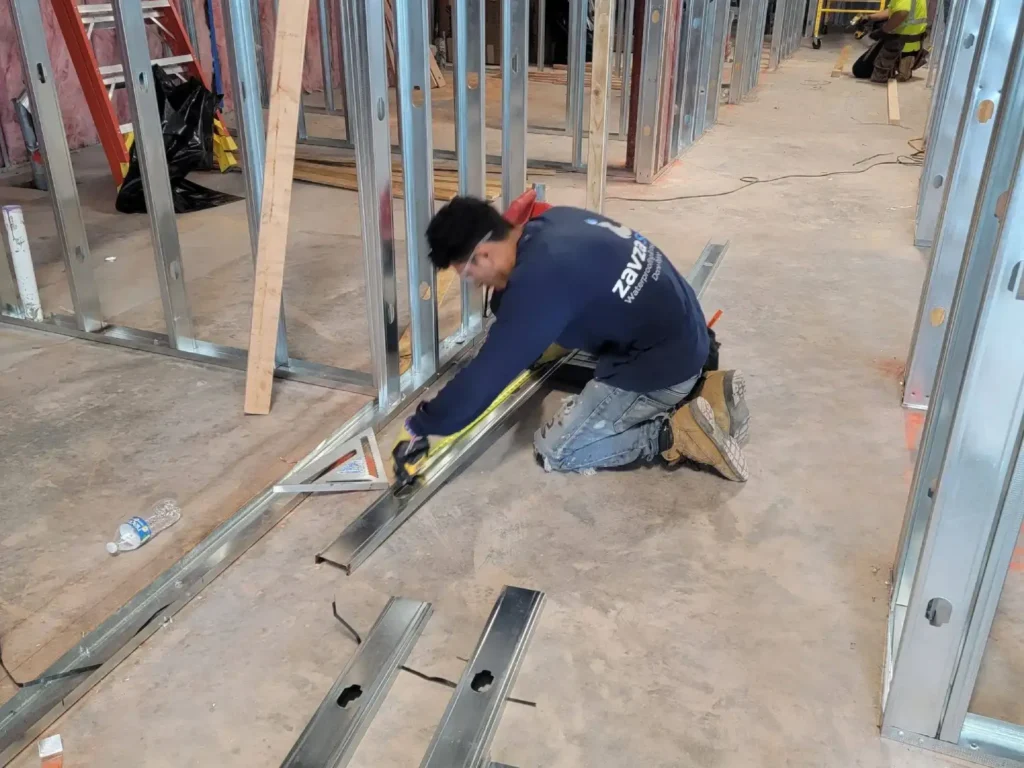

From the outside, this kind of experience can feel misleading. Not because the work was misrepresented, but because expectations set at the beginning did not clearly match how the situation unfolded later.
Again, this does not establish intent. It explains why people struggle to categorize their experience.
Why “scam” becomes the fallback explanation
When people can clearly identify a mistake, they use words like “error” or “miscommunication.” When they can clearly identify bad service, they use words like “unprofessional.”
“Scam” appears when neither explanation feels sufficient.
In both patient and professional accounts:
- The early phase feels orderly and legitimate
- Later phases introduce confusion or silence
- Clarifying what happened requires significant effort
- People are left guessing about motive
That gap is where suspicion grows.
Is Aspen Dental actually a scam?
There is no evidence in these accounts that proves fraudulent intent.
Many patients report satisfactory care. Many services are completed without dispute. Those outcomes exist and matter.
What repeated stories suggest is something more nuanced. Systems that prioritize efficiency and scale can create experiences where people feel guided rather than informed. When clarity drops, people fill in the blanks themselves. That is when the strongest language emerges.
What this question really signals
Asking whether Aspen Dental is a scam is less about criminal behavior and more about transparency.
It signals a desire to know:
- Why recommendations escalated
- Why alternatives were not clearer
- Why resolution felt harder than agreement
These are trust and communication issues, not legal conclusions.
What to keep in mind before deciding
Before committing, focus on understanding how recommendations are formed, what options exist, and how questions are handled when uncertainty appears. Take time when urgency enters the conversation. Seek clarity before assuming intent.
Most people do not ask if something is a scam because they want to accuse. They ask because they want to understand whether what they experienced was avoidable.
That question keeps coming up not because the answer is obvious, but because the line between structure and intent often feels blurred.
For more blogs like these visit Myfitv’s general blog page.

Patricia Duarte was born in Sacramento, California Studied at University of San Francisco. Currently working as Author at Myfitv, Patricia Duarte helps readers learn the field of Marketing, Health, Education, Construction, Business etc hone their skills, and find their unique voice so they can stand out from the crowd.