How Coil Type Boilers Compare To Traditional Heating Systems?
October 15, 2024When comparing coil type boilers to traditional heating systems, several key differences and advantages emerge, highlighting the evolving landscape of heating technology. Traditional heating systems, such as fire-tube or water-tube boilers, often rely on large water storage capacities, resulting in longer heat-up times and increased energy consumption. In contrast, coil type boilers feature a compact design that allows for a faster response time, enabling them to generate steam or hot water almost immediately upon demand. This rapid heating capability is particularly beneficial in industrial processes where consistent and reliable steam supply is crucial. Furthermore, coil type boilers generally require less fuel to operate, as they utilize a more efficient heat transfer mechanism, leading to reduced operational costs over time.
Essential Components Of A Coil Type Boiler
Understanding the essential components of a coil type boiler is crucial for anyone involved in its operation, maintenance, or installation. The primary component of any coil type boiler is the coil itself, which consists of a series of tightly wound tubes. These coils are typically made from high-grade steel or alloys designed to withstand high temperatures and pressures. The coils are where the actual heating process occurs, as hot combustion gases pass over them, transferring heat to the water inside. The design and material of the coils play a significant role in the overall efficiency and durability of the boiler, affecting heat transfer rates and resistance to thermal stress.Another important component is the burner, which is responsible for generating the heat needed for the boiler’s operation. The burner is typically fueled by natural gas, propane, or oil, and its efficiency directly impacts the performance of the coil type boiler.
Exploring The Energy Efficiency Of Coil Type Boilers For Sustainable Heating
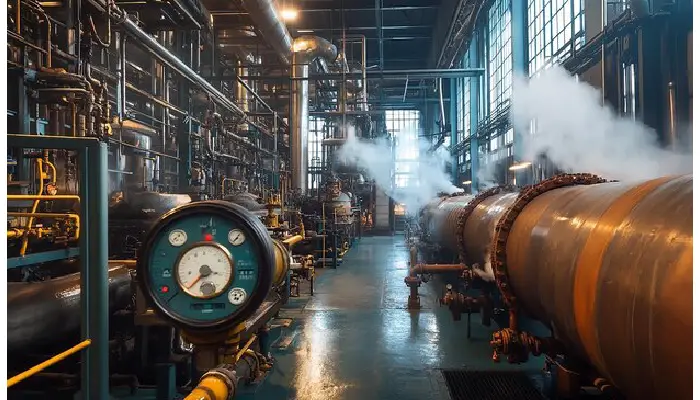
Energy efficiency is a critical aspect of modern heating solutions, and coil type boilers stand out as a highly efficient option for sustainable heating. The unique design and operational principles of coil type boilers contribute significantly to their energy performance. One of the most significant advantages is their ability to produce steam or hot water quickly, reducing the amount of fuel consumed during startup and minimizing idle time. This efficiency is further enhanced by the high surface area of the coiled tubes, which allows for effective heat transfer and reduced heat loss during operation.The efficiency of coil type boilers is often measured by their thermal efficiency rating, which reflects the percentage of energy in the fuel that is converted into useful heat. Many coil type boilers achieve thermal efficiency ratings exceeding 90%, making them more efficient than many traditional heating systems.
Installation Guidelines For Coil Type Boilers: A Step By Step Approach
Installing a coil type boiler requires careful planning and adherence to industry standards to ensure optimal performance and safety. The first step in the installation process is to conduct a comprehensive assessment of the site where the boiler will be located. This assessment should consider factors such as space availability, accessibility for maintenance, and proximity to fuel sources and utility connections. It’s also important to verify that the foundation or base is level and capable of supporting the weight of the boiler.Once the site is prepared, the next step is to position the boiler according to the manufacturer’s guidelines. The boiler should be placed in a well-ventilated area to allow for proper air intake and combustion. Adequate clearance around the boiler is essential for maintenance access and to ensure safety compliance with local building codes.
Maintenance Tips For Coil Type Boilers: Keeping Your System Running Smoothly
Proper maintenance is essential for ensuring the longevity and efficiency of coil type boilers. Regular maintenance practices not only prevent unexpected breakdowns but also optimize the performance of the system, resulting in reduced energy consumption and operational costs. One of the most critical aspects of maintenance is conducting routine inspections of the boiler’s essential components, including the coils, burner, control systems, and safety devices. Regularly checking for signs of wear, corrosion, or scaling on the coils can help identify potential issues before they escalate into costly repairs.It’s important to schedule periodic cleaning of the boiler’s components, particularly the coils and combustion chamber.
Troubleshooting Common Issues With Coil Type Boilers: A Practical Guide
Troubleshooting coil type boilers involves identifying and addressing common issues that can arise during operation. One of the most frequent problems is the failure to produce steam or hot water. This issue can stem from several factors, including low water levels, inadequate fuel supply, or malfunctioning control systems. To troubleshoot this problem, operators should first check the water level gauge to ensure it is within the recommended range. If the water level is low, operators should investigate the feedwater system for leaks or malfunction.If the water level is adequate but the boiler still fails to generate steam, the next step is to inspect the fuel supply. Operators should ensure that the fuel source is connected and that there are no blockages in the fuel lines. Additionally, the burner should be examined for proper operation, including checking ignition and combustion efficiency.
The Role Of Coil Type Boilers In Industrial Applications: Efficiency
Coil type boilers play a vital role in various industrial applications, offering efficiency and performance that meets the demands of modern manufacturing and processing. These boilers are particularly valued in industries that require a continuous supply of steam or hot water for their operations. For instance, in the food processing industry, coil type boilers provide the necessary steam for cooking, sterilization, and cleaning processes, ensuring food safety and quality. Their ability to generate steam quickly and efficiently is essential in maintaining production schedules and meeting health regulations.In the pharmaceutical industry, the importance of clean and reliable steam cannot be overstated. Coil type boilers are often utilized for sterilization processes, where precise control of temperature and pressure is crucial. The high efficiency and compact design of these boilers make them ideal for facilities where space is at a premium.
Conclusion
In summary, coil type boilers represent a significant advancement in heating technology, offering numerous advantages over traditional heating systems. Their compact design, rapid heating capabilities, and high efficiency make them ideal for a wide range of industrial applications. By understanding the essential components of coil type boilers, the benefits of their energy efficiency, and the best practices for installation and maintenance, operators can maximize the performance and longevity of these systems. Troubleshooting common issues and recognizing the critical role of coil type boilers in various industries further underscore their importance in modern heating solutions. As the demand for sustainable and efficient heating continues to grow, coil type boilers will play a pivotal role in meeting these challenges, ensuring that industries can operate effectively while minimizing their environmental impact.

Meet Randy Rose, a prolific writer based in the vibrant city of Seattle, United States. With a passion for business and technology, Randy combines expertise with a flair for captivating storytelling. As a seasoned wordsmith, Randy navigates the intricate realms of commerce and innovation, weaving insightful narratives that captivate and inform readers. Welcome to Randy’s world, where words transcend boundaries and knowledge meets creativity.