Exploring The Anatomy Of The Gastrocnemius Function: A Deep Dive
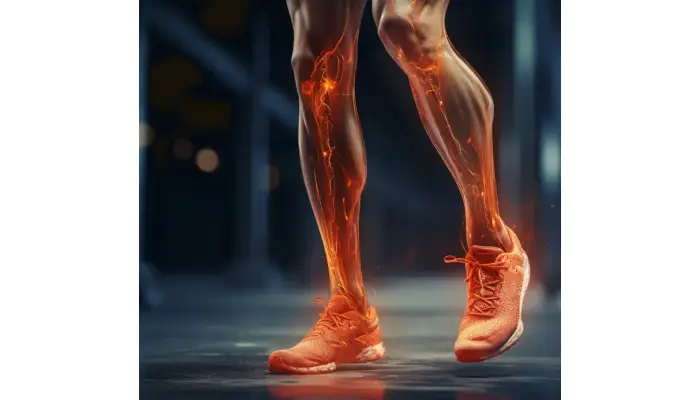
October 7, 2024The gastrocnemius is a large muscle located in the posterior compartment of the leg, comprised of two heads: the medial and lateral. This muscle originates from the femur just above the knee joint, allowing it to contribute significantly to both knee flexion and ankle plantar flexion. As the muscle contracts, it pulls on the Achilles tendon, which then inserts onto the calcaneus or heel bone, facilitating crucial movements such as walking, running, and jumping. The gastrocnemius works in tandem with the soleus, another calf muscle, to provide the necessary force for pushing off the ground, which is essential for propelling the body forward. Moreover, its role extends beyond mere movement; it also aids in maintaining balance and stability during various activities. The intricate relationship between the gastrocnemius and surrounding muscles, tendons, and ligaments is fundamental to understanding its function in biomechanics. Proper functioning of the gastrocnemius is vital for athletic performance, as it contributes to explosive movements and endurance activities. Therefore, any injury or dysfunction in this muscle can significantly impair overall mobility and performance, highlighting the necessity for regular assessment and targeted interventions to maintain optimal gastrocnemius function.
Gastrocnemius Function And Athletic Performance: Enhancing Your Game
The gastrocnemius muscle plays a pivotal role in enhancing athletic performance across various sports and physical activities. Its primary functions—plantar flexion of the foot and knee flexion—are critical during explosive movements such as sprinting, jumping, and quick directional changes. For athletes, the strength and power of the gastrocnemius can directly influence their ability to generate force and maintain speed. Enhanced gastrocnemius function contributes to improved sprinting times, higher jump heights, and greater overall agility. Athletes who prioritize the development of this muscle through targeted strength training and plyometric exercises can experience significant gains in their performance metrics. Furthermore, maintaining flexibility in the gastrocnemius is equally important, as it prevents injuries that can arise from tightness and dysfunction. Incorporating dynamic stretching and foam rolling into a training regimen can ensure that the gastrocnemius remains pliable and responsive during performance.
The Importance Of Gastrocnemius Function In Rehabilitation And Recovery
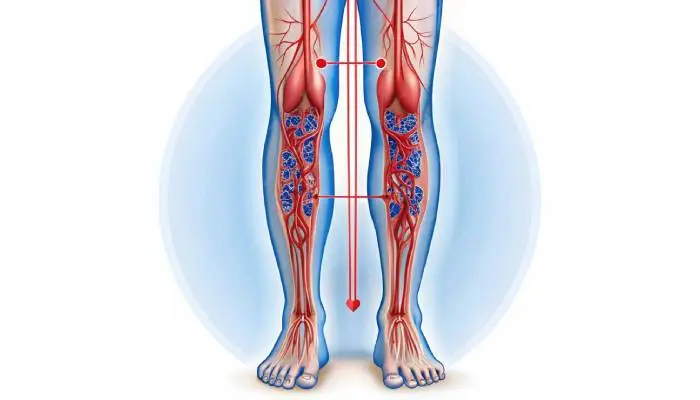
The gastrocnemius muscle is often a focal point in rehabilitation programs due to its significant role in mobility and functional movement. Injuries to the calf or ankle, such as strains or tears, can severely compromise gastrocnemius function, leading to impaired walking, running, and performing daily activities. Rehabilitation exercises targeting the gastrocnemius are essential for restoring strength, flexibility, and overall function. Physical therapists commonly utilize various modalities, including manual therapy, stretching, and strengthening exercises, to facilitate recovery. Strengthening the gastrocnemius can enhance the healing process, reduce the risk of re-injury, and restore confidence in movement patterns. Moreover, effective rehabilitation protocols often include proprioceptive training, which helps improve balance and coordination—key components in preventing future injuries. The integration of the gastrocnemius into rehabilitation highlights its critical role not only in recovery but also in overall lower limb stability.
Gastrocnemius Function: How This Muscle Affects Your Daily Activities?
During walking, the gastrocnemius aids in pushing off the ground, contributing to forward propulsion and efficiency. When ascending or descending stairs, this muscle’s ability to generate force and maintain balance is critical. Additionally, when standing for extended periods, the gastrocnemius helps stabilize the ankle and maintain posture, reducing the risk of fatigue and discomfort. Individuals who experience tightness or weakness in the gastrocnemius may notice difficulties in performing these everyday tasks, which can lead to compensatory movement patterns and subsequent issues in other areas of the body. This interconnectedness underscores the necessity of maintaining optimal gastrocnemius function to ensure ease and efficiency in daily living. Regular stretching and strengthening of the gastrocnemius not only enhances its function but also contributes to overall lower limb health, emphasizing its importance in maintaining an active and functional lifestyle.
How To Strengthen Your Gastrocnemius Function: Effective Exercises
Incorporating variations such as seated calf raises can also engage the soleus muscle, promoting overall calf development. Single-leg heel raises challenge balance and stability while forcing each gastrocnemius muscle to work independently, leading to improved coordination and strength. Additionally, plyometric exercises such as jump squats or box jumps require powerful plantar flexion, thus engaging the gastrocnemius in dynamic movements that translate well to sports performance. Resistance training, such as using a leg press machine, can further enhance strength and endurance in this muscle. It’s essential to complement strengthening exercises with flexibility work to prevent tightness and maintain a full range of motion. Engaging in dynamic stretches, foam rolling, and yoga can enhance the pliability of the gastrocnemius, creating a balanced approach to muscle health. By incorporating a comprehensive strengthening routine, individuals can optimize gastrocnemius function, leading to improved athletic performance and decreased risk of injury.
The Connection Between Gastrocnemius Function And Foot Health
The function of the gastrocnemius is closely intertwined with foot health, as its role in plantar flexion and overall lower limb mechanics significantly impacts the biomechanics of the foot. Proper gastrocnemius function allows for effective push-off during walking and running, facilitating efficient gait patterns that promote foot health. Conversely, tightness or weakness in the gastrocnemius can lead to altered foot mechanics, contributing to conditions such as plantar fasciitis, Achilles tendinopathy, and other common foot ailments. When the gastrocnemius is tight, it can limit ankle dorsiflexion, placing excessive strain on the foot and leading to pain and dysfunction. Maintaining flexibility in the gastrocnemius is crucial for ensuring a full range of motion at the ankle joint, allowing for optimal foot function. Footwear choices also play a role in gastrocnemius health, as supportive shoes can help align the foot and ankle, enhancing overall lower limb function.
Gastrocnemius Function: Why Flexibility Matters For Optimal Performance?
For athletes, the importance of maintaining flexibility cannot be overstated; it not only enhances power generation during explosive movements but also reduces the risk of strains and tears that can occur when the muscle is overextended. Incorporating regular stretching routines, such as static stretching post-workout and dynamic stretching during warm-ups, can significantly improve the flexibility of the gastrocnemius. Techniques such as foam rolling and massage therapy can further aid in releasing tension and improving muscle elasticity. Athletes who prioritize flexibility in their gastrocnemius often experience improved agility, speed, and overall performance in their respective sports. Additionally, maintaining flexibility contributes to better recovery post-exercise, allowing the muscle to function optimally and reducing the likelihood of soreness and stiffness. Emphasizing flexibility training as part of a comprehensive fitness routine is essential for enhancing gastrocnemius function and overall athletic performance.
Conclusion
In conclusion, understanding the function of the gastrocnemius muscle is crucial for optimizing athletic performance, maintaining foot health, and ensuring overall mobility and functionality in daily activities. Its dual role in plantar flexion and knee flexion highlights its significance in a wide range of movements, from athletic endeavors to routine tasks. As we’ve explored, strengthening and maintaining flexibility in the gastrocnemius through targeted exercises and stretching is vital for preventing injuries and enhancing physical capabilities. Moreover, the interconnectedness of gastrocnemius function with rehabilitation underscores the need for a comprehensive approach to muscle health. By prioritizing the health and function of the gastrocnemius, individuals can enhance their physical performance, improve their quality of life, and reduce the risk of injury, leading to a more active and fulfilling lifestyle.
Resources URL:
https://greenandnatural.org/blog/gastrocnemius-muscle-anatomy-function/

Meet Randy Rose, a prolific writer based in the vibrant city of Seattle, United States. With a passion for business and technology, Randy combines expertise with a flair for captivating storytelling. As a seasoned wordsmith, Randy navigates the intricate realms of commerce and innovation, weaving insightful narratives that captivate and inform readers. Welcome to Randy’s world, where words transcend boundaries and knowledge meets creativity.