Harness The Power Of Visual Storytelling In Your Web Design
July 25, 2023In today’s digital age, web design plays a pivotal role in shaping online experiences and connecting businesses with their target audience. Visual storytelling is a powerful technique that harnesses the potential of web design to communicate compelling narratives, evoke emotions, and create memorable interactions with users. In this guide, we will explore the significance of harnessing the power of visual storytelling in web design, examining its various aspects, advantages, and best practices.
What Is Web Design And Why Is It Important?
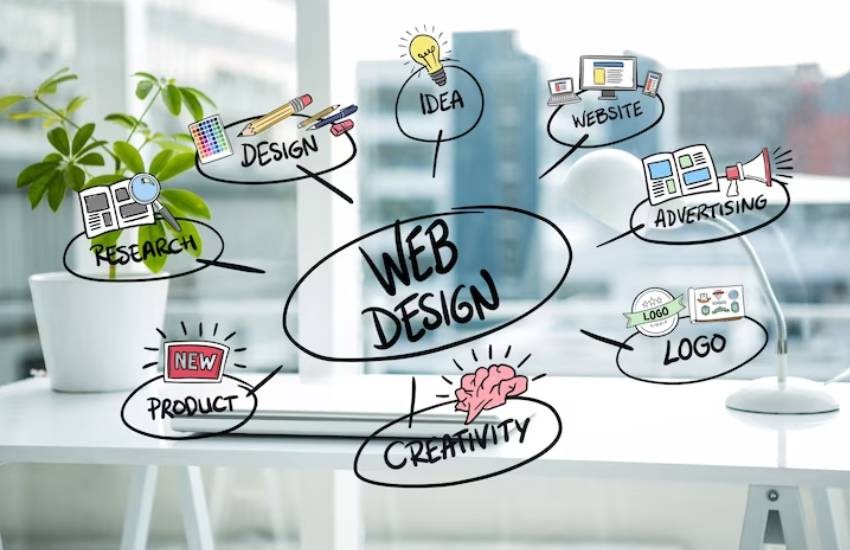
Web design encompasses the process of creating and designing the visual layout, user interface, and overall aesthetics of a website. It is a crucial aspect of web development, as it directly impacts how users perceive and interact with a website. A well-designed website not only attracts and engages visitors but also influences their behavior and decision-making process. An intuitive and visually appealing web design can instill trust, credibility, and professionalism in the minds of users, encouraging them to stay longer and explore further.

How To Create An Effective Web Design?
Creating an effective web design involves a strategic and creative approach. Start by defining the website’s purpose and target audience to align design elements with the intended user experience. Pay attention to user interface (UI) design, ensuring that navigation is intuitive, and content is easily accessible. Incorporate high-quality visuals, such as images, graphics, and videos, to convey brand messaging and tell compelling stories. Ensure that the design is responsive, providing a seamless experience across various devices and screen sizes. Regularly test and optimize the design to enhance performance and user satisfaction.
Tips For Getting Started With Web Design
Getting started with web design requires careful planning and research. Conduct a thorough analysis of your target audience, their preferences, and pain points to inform the design decisions. Set clear goals and objectives for the website to guide the design process effectively. Create wireframes and prototypes to visualize the layout and flow of the website before proceeding to the actual design phase. Collaborate with a skilled web designer or design team to bring your vision to life and leverage their expertise in user experience (UX) design and visual storytelling.
Types Of Web Designs That Drive Conversions
Web designs that drive conversions are carefully crafted to guide users toward specific actions, such as making a purchase, signing up for a newsletter, or requesting more information. Effective landing page designs focus on a single call-to-action (CTA) and use persuasive visuals and copy to encourage conversions. Storytelling-driven designs use visual elements and narratives to engage users emotionally and create a connection with the brand. E-commerce designs emphasize product visuals and ease of navigation to facilitate seamless shopping experiences and drive sales.
What To Consider When Crafting Your Website Design?
When crafting your website design, consider the following factors. Understand your brand identity and ensure that the design aligns with your brand’s visual language and values. Use high-quality visuals and multimedia elements that reflect your brand’s personality and evoke the desired emotions in users. Create a clear and intuitive navigation structure to enhance user experience and reduce bounce rates. Implement responsive design to ensure that your website looks and functions flawlessly across all devices and platforms. Optimize loading times to prevent user frustration and improve search engine rankings.
Using Color Psychology In Your Web Design
Color psychology is a powerful tool that influences user perceptions and emotions. Each color evokes specific feelings and associations, which can be strategically used in web design to support your brand messaging and storytelling. For example, blue is often associated with trust and reliability, while red can evoke excitement and urgency. Choose a color scheme that complements your brand identity and aligns with the emotions you want to evoke in your audience. Use colors consistently throughout your website to create a cohesive and visually pleasing experience.
Best Practices For Optimizing Web Design For All Devices
In an era where users access the internet through various devices, optimizing web design for responsiveness is crucial. Adopt a mobile-first approach, prioritizing the design and functionality for mobile users. Implement responsive design techniques that automatically adjust the layout and content based on the user’s screen size. Optimize images and multimedia to reduce loading times on mobile devices with slower connections. Test the website across different devices and browsers to ensure a seamless experience for all users.
Conclusion
Harnessing the power of visual storytelling in web design elevates the user experience, drives engagement, and fosters meaningful connections with your audience. A well-crafted web design that incorporates compelling visuals, intuitive navigation, and color psychology can convey brand messaging and create memorable interactions with users. To create an effective web design, define clear goals, conduct research on your target audience, and collaborate with skilled web designers. Consider different types of web designs that align with your conversion goals, and optimize the design for responsiveness across all devices. By embracing visual storytelling in web design, you can leave a lasting impression on your audience and achieve greater success in the digital landscape.
Resource Link:
https://en.wikipedia.org/wiki/Web_design
https://designsystem.digital.gov/
https://webdesigntampa.net/

Patricia Duarte was born in Sacramento, California Studied at University of San Francisco. Currently working as Author at Myfitv, Patricia Duarte helps readers learn the field of Marketing, Health, Education, Construction, Business etc hone their skills, and find their unique voice so they can stand out from the crowd.